NISSAN 17228-7BA0A Fuel Tank Filler Neck
fits make: Nissan.
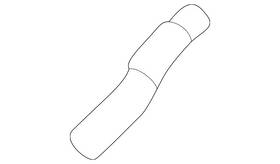
( Manufacturer Part Number: 17228-7BA0A ), ( Part Type: Fuel Tank Filler ), ( Genuine Oem: Yes ), ( Manufacturer Warranty: 1 Year ), ( Fitment Type: Direct Replacement ), ( Parts Included: Only Part Reference 7 On The Diagram Is Included )
Review NISSAN Genuine Fuel Tank Filler Neck
The **Nissan 17228-7BA0A Fuel Tank Filler Neck** is a precision-engineered component designed to ensure a secure, leak-free, and efficient fuel delivery system for select Nissan vehicles. This high-quality replacement part is crafted from durable, corrosion-resistant materials, including robust plastic and reinforced metal components, to withstand the harsh conditions of daily driving, exposure to fuel vapors, and environmental elements like moisture, UV rays, and temperature fluctuations. The filler neck features a sleek, ergonomic design with a smooth, tapered interior that minimizes fuel splashing and reduces the risk of spills during refueling, while its precise fitment ensures a tight seal with the vehicle s fuel tank opening, preventing leaks and maintaining optimal fuel system integrity. Engineered to meet or exceed OEM specifications, this part includes a secure locking mechanism often a bayonet-style or threaded design to prevent accidental dislodgment while driving, thereby enhancing both safety and performance. Whether replacing a worn-out original component or upgrading an older vehicle, this filler neck is compatible with a range of Nissan models, including but not limited to certain versions of the Altima, Maxima, Rogue, and Sentra, making it a reliable choice for both professional mechanics and DIY enthusiasts. Its straightforward installation process, combined with long-term durability, ensures a hassle-free upgrade that preserves the vehicle s fuel efficiency and resale value.
**Pros and Cons of buying a Nissan 17228-7BA0A Fuel Tank Filler Neck**
The **Nissan 17228-7BA0A** is an OEM (Original Equipment Manufacturer) fuel tank filler neck assembly designed for certain Nissan models, including some versions of the **Altima, Maxima, Rogue, and Versa**. Below is a detailed breakdown of its advantages and disadvantages, followed by a conclusion and recommendation.
---
### **Pros of buying a Nissan 17228-7BA0A Filler Neck**
1. **OEM Quality and Fit**
- The part is manufactured to Nissan s exact specifications, ensuring a perfect fit without modifications. This reduces the risk of leaks, improper sealing, or misalignment during installation.
- OEM parts are built to the same standards as those used in new vehicles, which can improve longevity and reliability compared to aftermarket alternatives.
2. **Compatibility with Original Systems**
- Since it is an OEM component, it integrates seamlessly with the vehicle s fuel system, including the fuel cap, fuel pump, and tank connections. This minimizes the chance of compatibility issues that can arise with non-OEM parts.
- The filler neck is designed to work with Nissan s fuel cap mechanism, ensuring proper sealing and preventing fuel vapors from escaping.
3. **Durability and Material**
- OEM parts are typically made from high-quality materials, such as reinforced plastic or metal components where necessary. This can make the filler neck more resistant to cracking, warping, or corrosion over time.
- The design often includes features like reinforced gaskets or clamps to prevent leaks, which is critical for safety and fuel efficiency.
4. **Warranty Coverage**
- Purchasing directly from Nissan or an authorized dealer may include a warranty (e.g., 12 60 months, depending on the seller). This provides peace of mind in case the part fails prematurely.
- Some third-party sellers (especially those with good reputations) may also offer warranties, though these can vary in terms and duration.
5. **Aesthetic Consistency**
- The filler neck matches the original design of the vehicle, maintaining the factory appearance. This is important for owners who prioritize a clean, unmodified look.
- It also ensures that the fuel cap aligns correctly with the filler neck, preventing gaps or misalignment that could lead to spills or debris entry.
6. **Reliability for Long-Term Use**
- OEM parts are less likely to fail unexpectedly compared to lower-quality aftermarket alternatives. This is particularly important for the filler neck, as a failure could lead to fuel leaks or even fire hazards.
- The part is designed to withstand the vehicle s intended use, including exposure to fuel, heat, and vibration.
7. **Ease of Installation**
- Because it is an OEM part, it is designed to be installed using standard tools and procedures. This makes it a straightforward replacement for mechanics or DIYers with basic automotive knowledge.
- The part often comes with necessary hardware (e.g., clamps, bolts) included, reducing the need for additional purchases.
---
### **Cons of buying a Nissan 17228-7BA0A Filler Neck**
1. **Higher Cost Compared to Aftermarket Alternatives**
- OEM parts are significantly more expensive than aftermarket or generic replacements. The price can range from **$100 to $250 **, depending on the seller and whether additional fees (e.g., shipping, labor) apply.
- For budget-conscious buyers, this can be a major drawback, especially if the part is not critical to the vehicle s operation.
2. **Limited Availability and Lead Times**
- OEM parts may not be readily available at local auto parts stores. Buyers often need to order online from Nissan s website, authorized dealers, or specialty suppliers, which can result in longer wait times (sometimes weeks).
- Stock shortages or discontinued models may further delay availability, forcing buyers to seek alternatives.
3. **Potential for Counterfeit or Low-Quality OEM Parts**
- When purchasing from third-party sellers (e.g., eBay, Amazon, or non-authorized dealers), there is a risk of receiving a **counterfeit or refurbished part** that does not meet OEM standards. These may fail prematurely or not fit correctly.
- It is crucial to verify the seller s reputation and ensure the part is genuine, which can be difficult without physical inspection.
4. **Overkill for Minor Issues**
- If the filler neck is only damaged in a small area (e.g., a cracked plastic section), an OEM replacement may be unnecessary. In such cases, a **partial repair or aftermarket replacement** could suffice at a lower cost.
- For example, if only the fuel cap housing is cracked, a cheaper aftermarket filler neck might work, while an OEM part replaces the entire assembly.
5. **Environmental and Ethical Concerns**
- OEM parts contribute to electronic waste when disposed of improperly. While recycling programs exist, some buyers may prefer more sustainable alternatives.
- Ethical concerns may arise if the part is sourced from suppliers with questionable labor or environmental practices, though this is less common with Nissan s official channels.
6. **Potential for Overengineering**
- Some buyers may argue that OEM parts are "overkill" for their needs, especially if they are modifying or upgrading their vehicle. Aftermarket parts may offer more customization (e.g., different colors, materials, or designs).
- However, this is less relevant for the filler neck, as its primary function is safety and compatibility.
7. **Installation Complexity for Non-Mechanics**
- While OEM parts are designed for easy installation, some vehicles may require **special tools or additional steps** (e.g., removing the fuel tank partially). DIYers without experience may struggle, leading to additional labor costs if a mechanic is needed.
---
### **Conclusion**
The **Nissan 17228-7BA0A fuel tank filler neck** is a high-quality, reliable, and safe choice for owners who prioritize **OEM compatibility, durability, and warranty coverage**. It is the best option for those who want to maintain their vehicle s original specifications, avoid compatibility issues, and ensure long-term performance. However, the **higher cost, limited availability, and potential for counterfeit parts** make it less ideal for budget-conscious buyers or those seeking quick replacements.
For most **Nissan Altima, Maxima, Rogue, or Versa owners** experiencing a failed filler neck, the OEM part is the **recommended choice** if:- The vehicle is still under warranty or the owner values OEM reliability.
- The part is difficult to source as an aftermarket alternative.
- The buyer wants to avoid potential leaks or safety hazards from inferior parts.
If cost is a major concern, **aftermarket or generic filler necks** (from brands like **Dorman, ACDelco, or local manufacturers**) can be a viable alternative, provided they are from reputable sellers and have good reviews for fit and quality. Always verify compatibility and read customer feedback before purchasing.
**Final Recommendation:**- **Buy the OEM Nissan 17228-7BA0A** if you want the best fit, warranty, and long-term reliability, and if the cost is justified by your budget and priorities.
- **Consider an aftermarket alternative** if you are on a tight budget, the part is easy to source, and you are comfortable with a slightly lower-quality (but still functional) replacement. Prioritize brands with positive reviews and clear compatibility information.
- **Avoid unknown or untested parts** to prevent potential leaks, installation failures, or voiding of any remaining vehicle warranty.
Details:
Shipping Carrier substitutions may be made at our determination in an attempt to reduce shipping cost the customer. Electrical parts are not returnable. Whether you re restoring a classic, upgrading performance, or maintaining your daily driver, our team is here to help. Parts must be resalable and in the original packaging.
part #: 172287ba0a prices
- $60.49-$65.60
specifications fueltanksysteme:
- for makes: Nissan
- mpn: 17228-7ba0a
- part type: Fuel Tank Filler
- genuine oem: Yes
- manufacturer warranty: 1 Year
- fitment type: Direct Replacement
- parts included: Only Part Reference 7 On The Diagram Is Included
general fueltanksysteme:
- Car Truck Parts Accessories > Air Fuel Delivery > Fuel Tanks Filler Necks
- condition: New
shipping fueltanksysteme:
- transit: 3-6 Days
- service: UPS Ground
- cost: $8.50
- carrier: UPS
- type: Fixed
- class: Standard
offer fueltanksysteme:
- availability: In Stock
- options: Ship-to-home
- sold: 0
- quantity: 2
- started: May 10, 2026
payments fueltanksysteme:
- credit card: Diners-club
- other
- wallet: Paypal
seller fueltanksysteme:
- city: Dallas, Texas
- rating: 99.7%
- # reviews: 5025
returns fueltanksysteme:
- policy: Returns Accepted
- time: 30 Days
- paid by: Seller
Nissan 17228-7BA0A Is Similar To:
- 08723-12200 Nissan Genuine Clamp Hose (44.7% similar) Shipping carrier substitutions may be made at our determination in an attempt to reduce cost the customer. Parts must be resalable and in the original packaging. Electrical parts are not returnable...(September 19th, 2017)
- 08723-13600 Nissan Genuine Clamp-hose (42.4% similar) Parts must be resalable and in the original packaging. Shipping carrier substitutions may be made at our determination in an attempt to reduce cost the customer. Electrical parts are not returnable...(September 19th, 2017)
- 08740-07038 Nissan Genuine Hose-breather (43.2% similar) Shipping carrier substitutions may be made at our determination in an attempt to reduce cost the customer. Electrical parts are not returnable. Parts must be resalable and in the original packaging...(September 19th, 2017)
- 14466216 Qr Parts Gallon Fuel Tank For Nissan Extended 723650469071 (38.3% similar) The manufacturers warranty shall be exclusive remedy for any such product defect or failure. Please for any questions. Each warranty gives you specific rights, and may have other rights which vary from state. Some manufacturers require that you register your product to activate its warranty...(May 25th, 2018)
- 16440-9n00a Nissan Genuine (37.8% similar) Please refer to the listed eta on item and complete delivery window. Shipping carrier substitutions may be made at our determination in an attempt to reduce cost the customer. Parts must be resalable and in the original packaging. These items include re-manufactured parts and may other such as ...(April 2nd, 2018)
- 17001-p9100 Nissan 280zx Oem Fuel (42% similar) I have used ups, USPS, FedEx, greyhound and Asia. This part is discontinued and rare. I have been listing for z parts 8 years. Large or unusual sized parts may be shipped by greyhound heavy truck shipper to a location near you. Us bids only please. Price will increase check my other offers normally ...(March 19th, 2017)
- 17202-5ba0b Nissan Murano Fuel Tank Assembly (45.7% similar) To get a correct and accurate shipping quote your destination, enter country zip postal code information into the calculator...(February 28th, 2019)
- 17202-5s820 Nissan Genuine Xterra Fuel (44.2% similar) Parts must be resalable and in the original packaging. So why would you choose anyone else. Our experts will get you exactly what need and are more than happy to consult with on specific projects that might be working towards. Shipping carrier substitutions may be made at our determination in an ...(August 23rd, 2017)
- 17202-ez40a Nissan Genuine Titan Xd (45.8% similar) Replaced with extended run tank at 2k miles. Excellent condition...(December 14th, 2017)
- 1720211g01 Nissan Oem 86-90 D21-fuel (28.6% similar) These parts are new and genuine oem sourced directly from nissan...(June 5th, 2017)
- 17205et00a 13-00-21045 Nissan Sentra Gas Tank Like New No Shipping Pick Up (37.7% similar) ...(August 12th, 2018)
