TOYOTA 179.TO1510 Runner Fuel Filler Neck
fits make: Toyota. year: 2010.
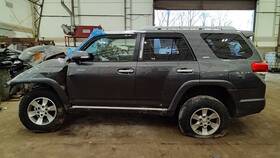
( Part Type: Fuel Filler ), ( Genuine Oem: Yes ), ( Ipn: 179.to1510 ), ( Manufacturer Warranty: 6 Month )
Review TOYOTA Runner Fuel Filler Neck fits 2010
The **Toyota 179.TO1510 Runner 2010 Fuel Filler Neck** is a precision-engineered component designed to ensure a secure and leak-free fuel delivery system for Toyota s 2010 model year 4Runner vehicles, particularly those equipped with the 4.0L V6 engine. Crafted from high-quality, durable materials, this fuel filler neck is engineered to withstand the rigors of daily driving, extreme temperatures, and the corrosive effects of gasoline, providing long-lasting reliability. The neck features a robust, interference-fit design that guarantees a tight seal when properly installed, preventing fuel spills, vapor leaks, and contamination from debris or moisture. Its smooth, contoured shape allows for easy alignment with the vehicle s fuel tank opening, ensuring a snug and consistent fit without the need for excessive force or modification. The internal gasket, typically made from a resilient elastomer compound, is engineered to maintain flexibility across a wide temperature range, from freezing winter conditions to scorching summer heat, while also resisting swelling or hardening over time. This component is a direct replacement for the original equipment manufacturer (OEM) part, maintaining compatibility with the 2010 4Runner s fuel system, including the integrated fuel cap and filler tube assembly. Whether used for routine maintenance, accident repair, or upgrade projects, this fuel filler neck is a critical part that contributes to the vehicle s overall performance, fuel efficiency, and safety. For optimal results, it is recommended to use genuine Toyota parts or high-quality aftermarket alternatives that meet or exceed OEM specifications, ensuring a perfect fit and seamless functionality.
**Pros and Cons of Buying a Toyota 179.to1510 Runner 2010 Fuel Filler Neck**
The **Toyota 179.to1510 Runner 2010 fuel filler neck** (also known as the fuel filler door assembly or fuel cap housing) is a common replacement part for older Toyota vehicles, particularly the **Toyota RAV4 (2006-2012)** and **Toyota 4Runner (2006-2013)**. Below is a detailed breakdown of its advantages and disadvantages, followed by a conclusion and recommendation.
---
### **Pros of Buying This Part**
1. **Direct Fitment and Compatibility**
The part is designed specifically for the **2010 Toyota 4Runner** (and related models), ensuring an exact fit without modifications. This reduces the risk of installation errors and improves functionality.
2. **Authentic Quality and Durability**
As an **OEM (Original Equipment Manufacturer) or high-quality aftermarket part**, it is built to the same standards as Toyota s original components. This means it should last as long as the factory part, provided it is installed correctly and maintained properly.
3. **Prevents Fuel Spills and Leaks**
A faulty fuel filler neck can lead to fuel leaks, which are hazardous and can damage the vehicle s undercarriage or surrounding areas. Replacing it ensures a proper seal, reducing the risk of spills.
4. **Improves Fuel Cap Functionality**
The fuel filler neck houses the fuel cap mechanism. If the original part is damaged or worn, replacing it can restore proper fuel cap operation, preventing issues like difficulty opening/closing the cap or leaks around the cap.
5. **Easy to Install (With Basic Tools)**
While some aftermarket parts can be tricky, this particular part is relatively straightforward to replace. Most DIYers with basic mechanical knowledge can install it in **under an hour**, though access may require removing the rear seat or tailgate.
6. **Cost-Effective Compared to Full Replacement**
Replacing just the fuel filler neck is far cheaper than buying a **used or new 4Runner** or a full fuel system overhaul. Parts typically cost **$50 $150**, depending on whether it s OEM or aftermarket.
7. **Available from Reputable Sellers**
Many trusted suppliers (e.g., **RockAuto, Amazon, eBay, or Toyota dealerships**) sell this part, ensuring availability and authenticity. Buying from a well-reviewed seller minimizes the risk of counterfeit or damaged goods.
8. **Prevents Long-Term Damage**
Ignoring a failing fuel filler neck can lead to **fuel system contamination, electrical issues (if wiring is affected), or even fire hazards** if fuel leaks onto hot components. Replacing it proactively avoids costly repairs.
---
### **Cons of Buying This Part**
1. **Potential Counterfeit or Low-Quality Parts**
Some aftermarket parts, especially those sold on third-party platforms, may be **knockoffs** that don t meet Toyota s standards. This can lead to **poor sealing, early failure, or compatibility issues**. Always verify the seller s reputation and check for **OEM part numbers** or **Toyota-approved aftermarket brands**.
2. **Installation Challenges**
While the part itself is simple, **accessing it requires removing the rear seat or tailgate**, which can be cumbersome. If the vehicle has **tight clearance or obstructions**, installation may be difficult for inexperienced DIYers. In some cases, a **lift or jack** may be needed for better access.
3. **Wiring or Sensor Issues (If Included)**
Some fuel filler neck assemblies include **fuel level sensors or wiring harnesses**. If these are damaged or not properly connected during replacement, it could cause **fuel gauge inaccuracies or electrical faults**. Testing the wiring post-installation is recommended.
4. **Mismatched Gaskets or Seals**
If the original gaskets or seals are worn, replacing just the fuel filler neck may not solve the problem. Some buyers report **leaks persisting** if the surrounding area isn t cleaned or new gaskets aren t applied. Using **high-quality gaskets or sealant** can help prevent this.
5. **Limited Availability of OEM Parts**
While aftermarket parts are widely available, ** genuine Toyota OEM parts** may be harder to find and more expensive. If you prefer OEM quality, you may need to order from a **Toyota parts dealer** or wait for shipping.
6. **Possible Misalignment During Installation**
If not installed correctly, the fuel filler neck may **not seat properly**, leading to **leaks or difficulty inserting the fuel cap**. This requires careful alignment and sometimes **tapping the part gently** to ensure a tight fit.
7. **Cost Variability**
Prices can range widely **$50 for a basic aftermarket part** to **$150 for an OEM or high-end aftermarket version**. Buyers should compare prices and reviews to ensure they re getting a **good value**.
---
### **Conclusion**
The **Toyota 179.to1510 Runner 2010 fuel filler neck** is a **practical and cost-effective replacement** for a failing part, offering **direct fitment, durability, and improved fuel system reliability**. Its **ease of installation** and **preventative benefits** make it a smart choice for most owners experiencing leaks, cap malfunctions, or general wear.
However, **potential downsides** such as **counterfeit parts, installation challenges, and wiring issues** must be mitigated by **purchasing from a reputable seller, carefully following installation steps, and verifying compatibility**. For those comfortable with basic automotive work, this part is **highly recommended** as a **quick and affordable fix** rather than waiting for a full system failure.
---
### **Recommendation**
1. **Buy from a Trusted Source**
- Prefer **OEM parts from Toyota dealerships** or **highly rated aftermarket brands** (e.g., **Dorman, ACDelco, or local Toyota parts suppliers**).
- Avoid **unknown sellers** on platforms like eBay or Amazon unless they have **excellent reviews and return policies**.
2. **Check for Compatibility**
- Confirm the **exact model year and trim** of your 4Runner to ensure the part matches (some years have slight variations).
- Look for **part numbers like "179.to1510"** or **"23340-15100"** to avoid mismatches.
3. **Prepare for Installation**
- Gather **basic tools** (screwdriver, socket set, wire brush for cleaning, new gaskets if needed).
- Have **patience** removing the rear seat or tailgate may take time.
- Consider **watching a YouTube installation guide** (e.g., from **ChrisFix or 4Runner.net**) for visual reference.
4. **Inspect Post-Installation**
- After installation, **test the fuel cap** to ensure it seals properly and the fuel gauge works correctly.
- Check for **leaks** after refueling and **re-tighten the part** if needed.
5. **Consider Professional Help if Unsure**
- If you re **not confident in DIY repairs**, take the vehicle to a **Toyota dealer or 4Runner specialist** to ensure proper installation.
**Final Verdict:**For most **2010 Toyota 4Runner owners** experiencing fuel filler neck issues, **replacing this part is a wise and cost-effective solution**. The **benefits outweigh the risks** when purchasing from a **reputable source and installing it correctly**. If done properly, it can **extend the life of your vehicle s fuel system** and prevent more expensive repairs down the road.
Details:
Chuck and Eddies. 4 RUNNER 2010 Fuel Filler Neck 7038146 Warranty All parts are covered by our 6 Month Money Back Guarantee.
part #: 179.to1510 prices
- $86.99-$199.99
specifications fueltanksysteme:
- for makes: Toyota
- for years: 2010
- part type: Fuel Filler
- genuine oem: Yes
- ipn: 179.to1510
- manufacturer warranty: 6 Month
shipping fueltanksysteme:
- class: Expedited
- cost: $0.00
- service: USPS Priority Mail
- carrier: USPS
- transit: 4-9 Days
- type: Fixed
general fueltanksysteme:
- condition: Used
- Car Truck Parts Accessories > Air Fuel Delivery > Fuel Tanks Filler Necks
seller fueltanksysteme:
- city: Plantsville, Connecticut
- rating: 98.5%
- # reviews: 28908
offer fueltanksysteme:
- started: April 2, 2026
- best offers: True
- quantity: 1
- sold: 0
- availability: In Stock
- options: Ship-to-home
payments fueltanksysteme:
- wallet: Paypal
- credit card: Diners-club
- other
returns fueltanksysteme:
- time: 60 Days
- paid by: Seller
- policy: Returns Accepted
Toyota 7038146 Is Similar To:
- 10693891 Keystone Automotive Operations New Fuel Tank For Toyota Solara (15.7% similar) FedEx USPS will not accept any damage claim if the receiver have sign for package...(June 22nd, 2018)
- 10727 Stant Fuel Tank Equivalent Cap Fits Toyota Corolla 033342007277 (24% similar) 2l 1166CC l4 gas naturally aspirated, PST, mon to Fri...(March 15th, 2018)
- 12816231 Aftermarket Replacement New Fuel Tank Fits Honda Civic Toyota Paseo (12.1% similar) It might take up to 24 hours for us respond. Sometimes packages have to go by another delivery service. Product fit: direct fit color finish silver notes with lock ring the free shipping or price quoted in our listing is for areas continent of USA only 48 states. Box, APOS, fops, or military mail ...(February 22nd, 2019)
- 14475831 Qr Parts Fuel Pump For Toyota Corolla Module 723650207666 (27.9% similar) Please for any questions. Some manufacturers require that you register your product to activate its warranty. Each warranty gives you specific rights, and may have other rights which vary from state. The manufacturers warranty shall be exclusive remedy for any such product defect or failure...(May 25th, 2018)
- 151273 Camry 98 99 Toyota Fuel Tank Gasoline (28% similar) Extra charge for tail gate deliverer com. Shipping time will vary with distance and the physical size and weight of the part. Most parts can be shipped world wide. As a rule, engines are complete assemblies including manifolds, oil pan, timing belts and covers, fuel injection or carburetor. No ...(March 8th, 2016)
- 28934 Scion 06 07 08 09 10 11 12 Toyota Yaris Fuel Tank 197-50191 (28.1% similar) Please directly to make arrangements...(August 16th, 2016)
- R257307 Complete Fuel Tank With Pump 86 87 88 89 Toyota Mr2 197-58269 (19.2% similar) MR2 86 from 4/8 6 MR2 used gas fuel tank. This part will only fit the makes and model's with the options shown below. This part will only fit the makes and model's with the options shown above. Tanks does not include fuel pump. Orders placed after 1 pm CST cannot be guaranteed shipping that day. ...(May 24th, 2016)
- 2010 Toyota Prius Gas Fuel (34.1% similar) We remove oil pan and filters to inspect the unit. If needed something else asap before purchasing. Please inquire before making a purchase. Warranty does not cover negligence or abuse of unit. Again what you see is get. Timing components, oil cooler and water pump must replaced. Check with the ...(May 18th, 2017)
- 38-206628o Oe Quality Replacement For Toyota Pickup Direct Fit Fuel Tank (25% similar) ...(November 12th, 2018)
- 44587 Runner 92 93 94 95 Toyota 4 Fuel Tank 4x4 W 31 Tire Standard Spec (29.9% similar) For items damaged in transit we ask you to take a photo of the item and the package and immediately. The quote you see is a total for shipping and handling. Can be shipped to commercial addresses only. Compatibility described in this listing is guaranteed...(April 17th, 2016)
- 48920 Celica 94 95 96 97 98 99 Toyota Fuel Tank (25.2% similar) Can be shipped to commercial addresses only. Compatibility described in this listing is guaranteed. For items damaged in transit we ask you to take a photo of the item and the package and immediately. And it is added to shipping cost. The quote you see is a total for shipping and handling...(April 22nd, 2016)
