MINI 2752298 Fuel Gas Tank R56
fits model: Cooper. year: 2007–2013.
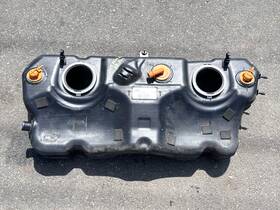
( Brand: Mini ), ( Manufacturer Part Number: 2752298 ), ( Type: Fuel Tank ), ( Capacity: 13 Gal ), ( Manufacturer Warranty: 1 Month ), ( Material: Plastic ), ( Features: Oem ), ( Placement On Vehicle: Rear ), ( Country Of Origin: Germany ), ( Fuel Type: Gasoline )
Review MINI R56 Fuel Gas Tank Assembly Oem fits COOPER 2007–2013
The **Mini Cooper R56 Fuel Gas Tank (2007 2013)** is a meticulously engineered, high-performance component designed specifically for the iconic **Mini Cooper R56**, the track-focused variant of the British icon that redefined compact sports cars with its turbocharged 2.0L inline-four engine. This fuel tank is a critical element of the R56 s robust and efficient fuel delivery system, crafted to meet the demands of both spirited driving and rigorous performance applications. Built with **high-grade, corrosion-resistant materials**, including **polypropylene or reinforced thermoplastic blends**, the tank ensures durability against the harsh conditions of road salt, humidity, and high-temperature environments, which are particularly challenging for vehicles frequently pushed to their limits. Its **sleek, aerodynamic shape** not only optimizes space within the R56 s compact chassis but also contributes to the car s distinctive silhouette, maintaining the vehicle s signature blend of sportiness and elegance. The tank features a **precision-engineered fuel pickup system** and **secure mounting points**, designed to minimize vibration and prevent fuel sloshing, which is essential for maintaining consistent engine performance especially under heavy acceleration or aggressive cornering. Additionally, this aftermarket or OEM-replacement tank often incorporates **modern fuel management technologies**, such as **fuel level sensors and secure sealing mechanisms**, to prevent leaks and ensure reliable operation. Whether installed in a **restomod project, a high-mileage R56, or as part of a comprehensive upgrade**, this fuel tank is a testament to Mini s commitment to performance and precision, offering a seamless fit that preserves the R56 s dynamic character while enhancing its longevity and reliability. For enthusiasts seeking to restore or enhance their R56, this component is an indispensable choice, blending functionality with the unmistakable spirit of the Mini Cooper.
### Pros and Cons of Buying a Mini Cooper R56 Fuel Gas Tank (2007 2013)
#### **Pros:**1. **Common and Widely Available** The R56 generation (2007 2013) is one of the most popular Mini Cooper models, meaning replacement fuel tanks, parts, and labor are readily available. This reduces the risk of long wait times or difficulty sourcing components.
2. **Aftermarket Support** Due to its popularity, there is a strong aftermarket presence with options for upgraded tanks (e.g., aluminum or high-capacity tanks), fuel line kits, and performance modifications. This allows for customization and potential fuel efficiency improvements.
3. **Proven Reliability (When Maintained)** The R56 s fuel system, including the gas tank, is generally robust if properly maintained. Many owners report few major issues with the stock tank, especially if leaks or corrosion are addressed early.
4. **Compatibility with Modifications** If you plan to modify your Mini (e.g., turbocharging, forced induction, or high-performance tuning), the stock fuel tank may need reinforcement or replacement to handle increased fuel demand. The aftermarket offers solutions tailored to these needs.
5. **Lower Cost of Replacement** Compared to some other luxury or high-performance cars, a replacement fuel tank for the R56 is relatively affordable, especially if sourced from a reputable dealer or aftermarket supplier.
6. **Community and Resources** The Mini Cooper community is active, with forums (e.g., MiniBoard, Reddit s r/mini) where owners share experiences, troubleshooting tips, and recommendations for fuel tank replacements or upgrades.
---
#### **Cons:**1. **Potential for Corrosion** The stock steel fuel tank is susceptible to rust and corrosion, particularly in areas with harsh winters or salted roads. Over time, this can lead to leaks, which may go unnoticed until fuel spills or the tank fails entirely.
2. **Leak Risk** The fuel tank s welds and seams can degrade, especially if the car has been driven aggressively or exposed to moisture. A leak can contaminate the fuel system, damage the catalytic converter, or even pose a fire hazard.
3. **Limited Stock Tank Lifespan** While some R56 owners keep their stock tanks for 100,000 miles, others experience issues by 50,000 80,000 miles, depending on driving conditions and maintenance. This unpredictability can lead to unexpected repair costs.
4. **Replacement Complexity** Replacing the fuel tank requires draining the fuel system, disconnecting lines, and often removing the rear seats or floor mats. While not extremely difficult, it is a labor-intensive job that may require professional help, adding to the cost.
5. **Aftermarket Quality Variability** While there are high-quality aftermarket tanks available, some cheaper alternatives may have poor welds or thin materials, leading to premature failure. Researching brands (e.g., **Aluminum Tank Solutions, Mini Tank Solutions, or OEM replacements**) is crucial.
6. **Potential for Fuel System Contamination** If a leak occurs, fuel can seep into the cabin or undercarriage, attracting rodents or causing electrical issues. Additionally, old or degraded fuel can clog injectors or damage the engine over time.
7. **Weight Considerations** The stock steel tank is heavier than an aluminum alternative. While this isn t a major concern for most drivers, those prioritizing weight reduction (e.g., for performance tuning) may prefer an aftermarket aluminum tank.
---
### **Ending Conclusion:**The decision to buy a Mini Cooper R56 (2007 2013) with its stock or aftermarket fuel tank depends on your priorities, budget, and long-term plans for the vehicle. If you plan to keep the car for the long term and are willing to monitor the tank s condition closely, the stock tank can be a viable option especially if you live in a dry climate and maintain it properly. However, if you drive aggressively, live in a corrosive environment, or intend to modify the car, investing in an aftermarket aluminum tank or a high-quality replacement early is a prudent choice to avoid costly failures down the line.
---
### **Recommendation:** 1. **If Keeping the Stock Tank:**- **Inspect it regularly** for rust, leaks, or bulging. Listen for hissing sounds or smell fuel near the tank area.
- **Replace it proactively** if you notice any signs of corrosion or if the car is approaching 80,000 100,000 miles.
- **Use a fuel system cleaner** periodically to prevent injector clogs from degraded fuel.
- **Consider an aluminum tank** if you plan to modify the car or live in a harsh climate.
2. **If Replacing the Tank:**- **Opt for an aluminum tank** (e.g., from **Mini Tank Solutions or Aluminum Tank Solutions**) for better durability and weight savings. These are more expensive upfront but last longer and reduce maintenance hassles.
- **Choose a reputable installer** this job requires precision, especially when dealing with fuel lines and electrical connections.
- **Budget for additional upgrades** such as a new fuel pump, fuel lines, and a fuel filter if the tank replacement is part of a larger fuel system refresh.
3. **For Modified or High-Performance R56s:**- **Do not skimp on the tank.** A reinforced or high-capacity aluminum tank is essential to handle increased fuel demand from turbocharging or tuning. Brands like **Mini Tank Solutions** offer tanks designed for forced induction applications.
- **Consider a fuel pressure regulator upgrade** if modifying the engine, as stock systems may not handle higher fuel flows.
4. **General Maintenance Tip:**- **Add a fuel stabilizer** (e.g., **Seafoam or Sta-Bil**) every few thousand miles to keep the fuel system clean and prevent varnish buildup, which can clog injectors or restrict flow.
---
### **Final Verdict:**The Mini Cooper R56 s fuel tank is a manageable component if treated with care, but it is not immune to failure. **For most owners, replacing the stock tank with an aluminum aftermarket option early in the car s life is the best long-term investment.** This avoids the stress of a sudden leak, potential fire hazards, and the hassle of dealing with a contaminated fuel system. If you re on a tight budget and the stock tank appears healthy, regular inspections and proactive replacement will mitigate risks but be prepared for the possibility of failure as the car ages.
Details:
OEM PART LISTING - Recommits DETAILS NAME FUEL GAS TANK ASSEMBLY, NUMBER 2752298, VEHICLE MINI COOPER R56, DONOR YEAR 2013, TYPE / RESERVOIR, SHIPS FROM WESTVILLE, NJ 08093. FITMENT FITS MINI COOPER R56 APPLICATIONS BASED ON PART NUMBER RESEARCH AND DONOR VEHICLE INFORMATION. 2007 - 2013 MINI COOPER R56, PLEASE MATCH YOUR ORIGINAL PART NUMBER AND TANK BEFORE PURCHASE TO ENSURE PROPER FITMENT.
part #: 2752298 prices
- $40.00-$165.00
specifications fueltanksysteme:
- for models: Cooper
- for years: 2007-2013
- brand: Mini
- mpn: 2752298
- type: Fuel Tank
- capacity: 13 Gal
- manufacturer warranty: 1 Month
- material: Plastic
- features: Oem
- placement on vehicle: Rear
- country of origin: Germany
- fuel type: Gasoline
offer fueltanksysteme:
- sold: 0
- started: April 23, 2026
- options: Ship-to-home
- availability: In Stock
- quantity: 1
payments fueltanksysteme:
- credit card: Mastercard
- other
- wallet: Apple-pay
returns fueltanksysteme:
- paid by: Buyer
- policy: Returns Accepted
- time: 30 Days
seller fueltanksysteme:
- # reviews: 7623
- rating: 99.7%
- city: Westville, New Jersey
general fueltanksysteme:
- Car Truck Parts Accessories > Air Fuel Delivery > Fuel Tanks Filler Necks
- condition: Used
shipping fueltanksysteme:
- class: Standard
- cost: $149.99
- type: Fixed
- service: UPS Ground
- transit: 4-8 Days
- carrier: UPS
Mini 2752298 Is Similar To:
- 07147378812 Mini Oem Cooper Fuel Gas Strap Bolt (46.7% similar) Cores must be in their original package and fully assembled for credit...(July 3rd, 2018)
- 13-90-7-624-542 Genuine Mini New Cooper Countryman Paceman Fuel Tank Breather Valve (36.4% similar) Manufacturer genuine Mini part number 2 condition new applications cooper cw convertible club man coupe roadsters countryman ALL4 Paceman Paceman...(July 8th, 2018)
- 16116763498 Mini Oem Cooper Tank Filler Neck Tube Pipe (35.1% similar) Cores must be in their original package and fully assembled for credit. This part fits vehicles made in the following years 2005 , 2006 , 2007 , 2008...(July 1st, 2018)
- 16119800700 Mini Oem 11-16 Cooper (30.1% similar) Cores must be in their original package and fully assembled for credit...(January 4th, 2018)
- 16119800702 Mini Oem Cooper Countryman Fuel Gas Tank Strap (47.5% similar) Cores must be in their original package and fully assembled for credit...(July 12th, 2018)
- 16119800729 Mini Oem Cooper Countryman Fuel Pipe (37% similar) Cores must be in their original package and fully assembled for credit...(July 12th, 2018)
- 16119801173 Mini Oem Cooper Countryman Fuel Filler Neck Tube (40% similar) Cores must be in their original package and fully assembled for credit...(July 1st, 2018)
- 16119808456 Mini Oem Cooper Tank (37% similar) Superseded part numbers this item may have been from a different number manufacture. Cores must be in their original package and fully assembled for credit...(March 11th, 2018)
- 16142752288 Mini Oem Cooper Fuel Level Sensor Seal (40% similar) This part fits vehicles made in the following years 2008 , 2009 , 2010 , 2011 , 2012 , 2013 , 2014...(June 30th, 2018)
- 16142752324 Mini Oem Cooper Fuel Hose (41.2% similar) This part fits vehicles made in the following years 2007 , 2008 , 2009 , 2010 , 2011 , 2012 , 2013 , 2014 , 2015 . Cores must be in their original package and fully assembled for credit...(July 3rd, 2018)
- 187271 Minicoope 07 08 09 10 11 12 13 14 Mini Cooper Fuel Tank 197-50272 (42.4% similar) No expedited shipping is available. If an item arrives damaged, please via message within 24 hours for instructions...(May 7th, 2016)
