GMC 53MJCH Fuel Tank Attaching Savana 4500
fits make: Gmc. year: 2016–2021.
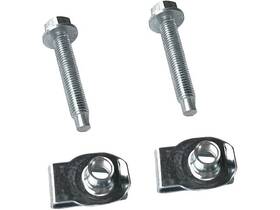
( Manufacturer Part Number: 53MJCH ), ( Part Type: Fuel Tank ), ( Compatible Make/model: Gmc Savana 4500 ), ( Compatible Years: 2016 2017 2018 2019 2020 2021 16 17 18 19 20 21 ), ( Fitment Info: Fuel Tank Attaching Hardware Fuel Tank Attaching Hardware ), ( Important Info: 55157; 11516770; 11519894; 15743078 ), ( Manufacturer Warranty: 12 Month Warranty ), ( Attention: Read Full Description To Confirm Fitment ), ( Cs-sku: 400 )
Review GMC Replacement Fuel Tank Attaching Hardware Savana 4500 fits 2016–2021
The **53MJCH Fuel Tank Attaching Kit** is a meticulously engineered, high-quality solution designed exclusively for GMC Savana 4500 models spanning the production years 2016 through 2021. This kit is crafted to ensure a seamless and secure installation of the fuel tank, addressing the unique underbody constraints and structural requirements of this popular commercial and passenger van platform. Engineered with precision, the kit includes a robust set of **galvanized steel brackets, heavy-duty fasteners, and precision-machined mounting hardware**, all of which are designed to withstand the rigors of daily use, including vibrations, road shocks, and varying load conditions. The brackets are strategically positioned to distribute weight evenly across the van s chassis, minimizing stress on critical suspension components and ensuring long-term durability. This kit is compatible with the standard OEM fuel tank found in these models, providing a direct replacement solution that maintains the original vehicle s fuel capacity and performance characteristics. Whether you re a fleet manager maintaining a fleet of Savana vans, a DIY enthusiast upgrading your vehicle, or a professional mechanic performing routine maintenance, this attaching kit offers a reliable, time-tested method for securing the fuel tank in place. Its straightforward design eliminates the need for complex modifications, making installation accessible even for those with limited mechanical experience. By investing in this kit, you re not only ensuring compliance with manufacturer specifications but also enhancing the overall safety and longevity of your GMC Savana 4500.
### Pros and Cons of Buying a 53-MJCH Fuel Tank for a 2016-2021 GMC Savana 4500
#### **Pros**
1. **Increased Fuel Capacity and Range**
The 53-MJCH (Mega Joule Chemical) fuel tank, often a propane or alternative fuel system, significantly expands the vehicle s fuel capacity beyond the standard gasoline or diesel tank. This can extend the range of your GMC Savana 4500, particularly if you frequently operate in remote areas or need to avoid frequent refueling stops. For commercial or off-grid applications, this can be a major advantage, reducing downtime and operational costs.
2. **Cost Savings on Fuel**
Propane or other alternative fuels (like natural gas) are often cheaper per gallon equivalent than gasoline or diesel. Over time, this can lead to substantial savings, especially for high-mileage vehicles like the Savana 4500, which may be used for deliveries, rideshare, or commercial transport. The cost per mile can be significantly lower, improving profitability for business use.
3. **Reduced Dependency on Gasoline or Diesel**
If gasoline or diesel prices are volatile or subject to supply chain disruptions, having an alternative fuel source provides a level of independence. This can be particularly valuable in industries where fuel costs are a major expense, such as food delivery, event services, or long-haul transport.
4. **Environmental Benefits**
Propane and other alternative fuels typically produce lower emissions of carbon dioxide, particulate matter, and other pollutants compared to traditional gasoline or diesel. This can align with sustainability goals, especially if the vehicle is used in urban or environmentally sensitive areas. Some jurisdictions offer incentives or tax breaks for vehicles using cleaner fuels.
5. **Compatibility with Existing Vehicle Systems**
Many aftermarket 53-MJCH fuel tank systems are designed to integrate seamlessly with the GMC Savana 4500 s existing infrastructure. The propane tank can be mounted in the cargo area or under the vehicle, and the fuel system can be retrofitted without major modifications to the engine or drivetrain. This makes the upgrade relatively straightforward compared to converting to electric or hydrogen power.
6. **Versatility for Dual-Fuel Operation**
Some systems allow the vehicle to run on a combination of gasoline/diesel and propane, providing flexibility. You can switch between fuels depending on availability, cost, or range requirements. This dual-fuel capability ensures you re never stranded if one fuel source is unavailable.
7. **Long-Term Durability and Reliability**
Propane tanks and fuel systems are built to withstand high pressures and are designed for heavy-duty use. When properly maintained, they can last for years without significant degradation. The Savana 4500 s robust chassis can also support the additional weight of a larger fuel tank without compromising structural integrity.
8. **Potential for Tax Incentives or Rebates**
Depending on your location and the type of fuel system, there may be government or local incentives for converting to alternative fuels. These can include tax credits, rebates, or grants, which can offset the initial cost of the upgrade.
---
#### **Cons**
1. **High Upfront Cost**
The primary drawback of installing a 53-MJCH fuel tank system is the significant initial investment. A propane or alternative fuel conversion kit, including the tank, fuel lines, regulators, and engine modifications (if required), can cost several thousand dollars. This expense may not be justified for low-mileage or personal-use vehicles where fuel savings are minimal.
2. **Reduced Cargo or Passenger Space**
The 53-MJCH tank, especially if mounted in the cargo area, will occupy space that would otherwise be available for cargo or passengers. For commercial vehicles like the Savana 4500, this trade-off can be critical. If the vehicle is used for transporting goods or people, the reduced capacity may impact profitability or functionality.
3. **Weight Considerations**
A larger propane tank adds significant weight to the vehicle, which can affect fuel efficiency, handling, and suspension. The Savana 4500 is already a heavy-duty vehicle, but the added weight may strain the drivetrain or require adjustments to the suspension or tires. This could lead to increased wear and tear over time.
4. **Engine Modifications May Be Required**
While many propane systems are designed to work with the existing engine, some conversions may require modifications to the fuel injection system, exhaust, or engine tuning. These modifications can add to the cost and complexity of the installation. Additionally, improper modifications could void the vehicle s warranty or lead to engine issues.
5. **Refueling Infrastructure Limitations**
Propane and other alternative fuels are not as widely available as gasoline or diesel. While propane stations are common in some regions, others may have limited access to refueling points. This can be inconvenient for long-distance travel or vehicles operating in areas with sparse fueling networks. Planning refueling stops in advance may be necessary.
6. **Potential for Higher Maintenance Costs**
Propane systems require regular maintenance, including inspections of fuel lines, regulators, and the tank itself. Leaks or failures in the fuel system can be dangerous and costly to repair. Additionally, some mechanics may not be familiar with alternative fuel systems, leading to delays or higher service costs.
7. **Cold Weather Performance Issues**
Propane systems can experience performance issues in extremely cold temperatures. The fuel may not vaporize as efficiently, leading to reduced power or engine misfires. While modern systems are designed to mitigate this, it can still be a concern in harsh climates. Heating elements or other solutions may be required.
8. **Resale Value Impact**
Vehicles with alternative fuel systems may have lower resale value compared to their gasoline or diesel counterparts. Buyers may be hesitant to purchase a converted vehicle due to concerns about fuel availability, maintenance, or compatibility with future regulations. This could result in a lower return on investment if you decide to sell the vehicle later.
9. **Regulatory and Safety Compliance**
Installing an alternative fuel system may require compliance with local, state, or federal regulations regarding fuel storage, emissions, and vehicle modifications. Failure to meet these regulations could result in fines or legal issues. Additionally, propane tanks must be installed and inspected by certified professionals to ensure safety.
10. **Potential for Reduced Engine Lifespan**
While propane is generally cleaner than gasoline or diesel, some engines may experience increased carbon buildup or other issues if not properly maintained. The dual-fuel operation (if applicable) could also lead to inconsistencies in engine performance or wear over time. Regular tune-ups and fuel system checks are essential to mitigate these risks.
---
### **Conclusion**
The decision to install a 53-MJCH fuel tank (such as a propane system) in a 2016-2021 GMC Savana 4500 depends largely on your specific needs, budget, and usage patterns. The upgrade offers significant advantages for commercial operators, off-grid applications, or those seeking cost savings and environmental benefits. However, the trade-offs in terms of upfront cost, reduced cargo space, weight, and maintenance must be carefully considered.
For **businesses or individuals who prioritize fuel efficiency, cost savings, and long-term operational flexibility**, the benefits of a propane or alternative fuel system often outweigh the drawbacks. The increased range, lower fuel costs, and reduced emissions can make it a worthwhile investment, especially for high-mileage vehicles.
For **personal use, low-mileage applications, or those who prioritize cargo space and convenience**, the cons may not justify the expense. In such cases, sticking with the standard fuel system or exploring other cost-saving measures (like fuel-efficient driving or route optimization) may be more practical.
---
### **Recommendation**
If you are considering this upgrade for your GMC Savana 4500, follow these steps to make an informed decision:1. **Assess Your Usage Patterns**
Calculate your annual mileage and fuel consumption. If you drive extensively (e.g., 20,000 miles per year) and frequently operate in areas with high fuel costs, the savings from a propane system will likely outweigh the upfront cost.
2. **Evaluate Your Budget**
Factor in the initial installation cost, maintenance expenses, and any potential resale value impact. If you can afford the upfront investment and are willing to commit to regular maintenance, the long-term savings will likely justify the expense.
3. **Research Fuel Availability**
Ensure that propane or your chosen alternative fuel is readily available in your operating areas. If refueling stations are scarce, the convenience factor may be compromised.
4. **Consult a Certified Installer**
Work with a professional who specializes in alternative fuel conversions for the Savana 4500. They can provide insights tailored to your vehicle s specific model year and engine type, ensuring a safe and compliant installation.
5. **Test the System Before Full Commitment**
If possible, rent or borrow a similarly equipped vehicle to test the propane system in your daily operations. This will help you gauge the practical benefits and any potential drawbacks firsthand.
6. **Consider Dual-Fuel Capability**
If available, opt for a system that allows you to switch between gasoline/diesel and propane. This flexibility provides a safety net and greater control over fuel choices.
7. **Plan for Maintenance and Safety**
Schedule regular inspections of the fuel system, including tanks, lines, and regulators. Ensure that your mechanic is experienced with propane or alternative fuel systems to avoid costly mistakes.
8. **Explore Incentives**
Check
Details:
12 Month Warranty. Replacement Fuel Tank Attaching Hardware fits GMC Savana 4500 2016 - 2021 53MJCH: Brand: condition: New Notes: Remark: 55157; 11516770; 11519894; 15743078, Detailed Applications Years: Vehicle: 2016 - 2021 GMC.
part #: 53mjch price
- $22.82
specifications fueltanksysteme:
- for makes: Gmc
- for years: 2016-2021
- mpn: 53mjch
- part type: Fuel Tank
- compatible make/model: Gmc Savana 4500
- compatible years: 2016 2017 2018 2019 2020 2021 16 17 18 19 20 21
- fitment info: Fuel Tank Attaching Hardware Fuel Tank Attaching Hardware
- important info: 55157; 11516770; 11519894; 15743078
- manufacturer warranty: 12 Month Warranty
- attention: Read Full Description To Confirm Fitment
- cs-sku: 400
general fueltanksysteme:
- Car Truck Parts Accessories > Air Fuel Delivery > Fuel Tanks Filler Necks
- condition: New
offer fueltanksysteme:
- availability: In Stock
- options: Ship-to-home
- started: March 28, 2026
- sold: 0
- quantity: 1
seller fueltanksysteme:
- city: Saint Paul, Minnesota
- # reviews: 23497
- rating: 99.1%
shipping fueltanksysteme:
- transit: 5-8 Days
- class: Economy
- cost: $0.00
- type: Fixed
- service: Economy
returns fueltanksysteme:
- paid by: Seller
- policy: Returns Accepted
- time: 30 Days
payments fueltanksysteme:
- wallet: Paypal
- credit card: Discover
- other
Gmc 53MJCH Is Similar To:
- 10841y Stant Flex Fuel Regular Cap Fits Gmc Yukon 033342083806 (42.9% similar) Flex fuel regular cap fits gmc Yukon sierra 1500 1500,YUKOPRICE is for 1 - adjust qty as needed...(May 10th, 2018)
- 10957858 Aftermarket Replacement New Fuel Tank Fits Chevrolet Gmc (43.4% similar) Product fit: direct fit color finish silver notes without seals the free shipping or price quoted in our listing is for areas continent of USA only 48 states. 2l 134CID83, 85 gmc S15 sierra classic 6CYL 9l 119CID85 Chevrolet S10 drongo 4CYL 9l 119CID85 Chevrolet S10 Tahoe 4CYL 2l 134CID83, 85 gmc ...(March 23rd, 2019)
- 11506 Chevrolet Locking Gas Fuel Cap Chevy Gmc New (32.8% similar) New in package ready for resale or you if needed is your fuel getting missing. Kid down the street. Ain't going to chance it worked hard keep...(February 26th, 2018)
- 15077848 General Acdelco Gm Genuine Oem Chevy Gmc Sonoma Fuel Tank (20.8% similar) Higher shipping and handling cost prevail. Free shipping: if an item is offered with shipping - for lower 48 USA only. 3l pickup gmc Sonora Cl all photography is for illustrative purposes only and persons depicted are model's...(March 23rd, 2019)
- 15204240 Gmc Envoy Chevy Trailblazer Fuel Door Gas Lid Oem White (22.5% similar) Selling gmc envoy Chevy trailblazer fuel filler gas door. Paint is good. Prompt attention to your concern is guaranteed. Paint code 8624 hinge works good. Any questions message me...(April 15th, 2018)
- 15522512 Acdelco Gm Original Equipment Fuel Tank Vent Hose Fits Gmc (41.4% similar) Fuel tank vent hose fits gmc C2500,C3500,K2500,K3500 C1500,C2500,C3500PRICE is for 1 - adjust qty as needed. This part fits vehicles made in the following years 1988 , 1989 , 1990 , 1991 , 1992 , 1993 , 1994 , 1995 , 1996 , 1997 , 1998 , 2000 . Clamps included: no harmonized tariff code ...(August 30th, 2018)
- 15776459 Genuine Gm Gmc Envoy Fuel Door Cover Oem New (24.4% similar) 3l v8 - XL2004SLE, SLT4. 3l v8 - XL2005DENALI, SLE, SLT4. GMCENVOY2009DENALI, SLE, SLT4. 3l v8 - GASGMCENVOY2008DENALI, SLE, SLT4. 3l v8 - GASGMCENVOY2007DENALI, SLE, SLT4. 2l l6 - XL2006DENALI, SLE, SLT4. 2l l6 - gas, 2l l6 - gas, 3l v8 - XL2002SLE, SLT4. 2l l6 - GASGMCENVOY2003SLE, SLT4. 3l v8...(October 22nd, 2018)
- 1878-1837 Brock Gmc Sierra Silverado Hd Pickup Truck Diesel Fuel Filler (16.1% similar) Identify your vehicle in the list below. Match a reference number from the e-z chart below. 6l pickup truck diesel fuel filler neck hose a high quality aftermarket replacement assembly made to fit like new. Features 1 year limited warranty your right part checklist visually compare the you are ...(March 25th, 2018)
- 1afgt00274 Auto Gas Fuel Tank Gallon For Chevy Gmc 191213324547 (36.9% similar) Scratches and dings due to the nature size, a fuel tank may incur minor dents or from handling load shifting during shipping. Part number: 1AFGT00274 gas fuel tank 25 gallon for Chevy gmc c k pickup truck OPTION:25 new. This high quality replacement tank is a direct for your damaged or leaky ...(April 9th, 2018)
- 22518914 Gm Chevy Gmc Diesel Fuel Gas Cap Nos Truck Etc (22.6% similar) Is in excellent condition with no dents, marks, cracks, or other damage diameter and 1 depth where it threads into the fuel tank filler neck, has a thick rubber gasket around inner shell, 6 fingers tabs to lock place, small spring-loaded piece white, raised long handle so say, diesel DH stamped on ...(September 22nd, 2018)
- 22858658 Gmc Acadia Fuel Tank Support Bracket Strap Set Of Oem (34.3% similar) Expedited shipping available, directly for details. Products sold in quantities will show a single image representing the others equal or greater condition...(November 6th, 2018)
