TOYOTA 7772033010 Fuel Tank Vent Valve
fits model: Fwd, Camry. make: Toyota. year: 2018–2020.
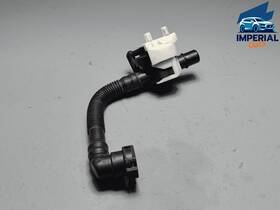
( Manufacturer Part Number: 7772033010 ), ( Part Type: Fuel Valve Tank Vent ), ( Material: Plastic ), ( Fuel Type: Gasoline ), ( Manufacturer Warranty: 1 Month )
Review TOYOTA Fuel Tank Vent Valve Oem fits CAMRY FWD 2018–2020
The **Toyota 7772033010 Fuel Tank Vent Valve** is a precision-engineered component designed exclusively for the **2018 2020 Toyota Camry (Front-Wheel Drive)** models, ensuring optimal fuel system performance and emissions compliance. This high-quality replacement valve is meticulously crafted to maintain the proper balance of pressure within the fuel tank, preventing vacuum lock and fuel sloshing during vehicle operation. Constructed from durable materials, it features a robust sealing mechanism and a reliable spring-loaded design that guarantees smooth airflow regulation, reducing the risk of fuel evaporation and maintaining engine efficiency. The valve is engineered to meet or exceed Toyota s original equipment specifications, ensuring a seamless fit and reliable functionality that aligns with the vehicle s emissions standards. Whether installed during routine maintenance or as part of a fuel system overhaul, this valve is an essential component for preserving the Camry s fuel economy, drivability, and long-term reliability. Its compatibility with the FWD model ensures easy installation without modification, making it a straightforward yet critical upgrade for any owner seeking to maintain their vehicle s performance and environmental compliance.
### **Pros and Cons of Buying a 2018-2020 Toyota Camry (FWD) Fuel Tank Vent Valve (Part #7772033010)**
#### **Pros of Purchasing This Part**
1. **OEM Quality and Reliability** Toyota s fuel tank vent valve is designed to meet strict emissions and durability standards, ensuring proper fuel system function and preventing vapor leaks.
2. **Prevents Emissions Issues** A faulty vent valve can cause the Check Engine Light (CEL) to illuminate due to improper fuel tank pressure regulation, leading to potential emissions test failures.
3. **Easy Installation** The vent valve is a straightforward replacement, typically requiring only basic tools and minimal disassembly (accessing the fuel tank filler neck area).
4. **Cost-Effective Fix** Replacing the vent valve is far cheaper than dealing with secondary issues like fuel pump failure or fuel system contamination caused by prolonged vent valve failure.
5. **Widely Available** As an OEM part, it is readily available from Toyota dealerships, authorized parts suppliers, and online retailers, reducing lead times.
6. **Prevents Long-Term Damage** A failing vent valve can allow moisture or debris into the fuel system, potentially damaging the fuel pump or injectors over time. Replacing it early avoids costly repairs.
7. **Compatibility** This part is specifically designed for the 2018-2020 FWD Camry, ensuring a perfect fit without modification.
---
#### **Cons of Purchasing This Part**
1. **Potential Counterfeit Parts** If buying from untrusted sellers (especially online marketplaces), there is a risk of receiving a low-quality or fake part that fails prematurely.
2. **Labor Costs if Not DIY** If the owner does not perform the replacement themselves, labor costs at a dealership or independent shop may range from $100 to $200, depending on location and shop rates.
3. **Accessibility Challenges** The vent valve is located near the fuel tank filler neck, which may require removing the fuel cap or trim panel, making the job slightly more involved than a simple under-hood replacement.
4. **Secondary Diagnostics Needed** If the CEL persists after replacement, further diagnostics (e.g., scanning for codes, checking fuel pressure, or inspecting the fuel tank for leaks) may be required to confirm the issue is resolved.
5. **Part Wear Over Time** While the vent valve itself is durable, other components (e.g., fuel tank seals, fuel pump) may degrade over time, potentially requiring additional repairs in the future.
6. **Environmental Concerns (If Improperly Disposed)** Improper disposal of the old vent valve (or fuel system components) may violate local regulations, requiring proper recycling or disposal methods.
---
### **Conclusion**
The **Toyota 7772033010 fuel tank vent valve** is a critical yet often overlooked component that, when failing, can lead to emissions issues, fuel system inefficiencies, and potential long-term damage. **Replacing it is a wise preventive measure** for maintaining the health of the fuel system and avoiding costly repairs down the line.
The **pros significantly outweigh the cons**, especially when considering the part s reliability, ease of installation, and the avoidance of secondary problems. However, **buyers should ensure they purchase from a reputable source** to avoid counterfeit parts and should be prepared for minor installation challenges if doing the work themselves.
---
### **Recommendation**
- **Buy from an authorized Toyota dealer, official parts distributor, or a trusted online retailer** (e.g., RockAuto, Amazon, or eBay with verified sellers) to guarantee authenticity.
- **Perform the replacement yourself** if comfortable with basic automotive work to save labor costs. If unsure, consult a mechanic for guidance.
- **Clear the CEL after replacement** using an OBD-II scanner to confirm the issue is resolved.
- **Monitor for recurring symptoms** (e.g., fuel smell, rough idling, or persistent CEL) and address them promptly if they reappear.
- **Consider replacing the fuel cap** (if damaged) alongside the vent valve, as it plays a role in the venting system.
**Final Verdict:** This is a **highly recommended replacement** for any 2018-2020 FWD Camry exhibiting vent valve-related symptoms, as it is a cost-effective solution that prevents greater fuel system failures.
Details:
They are of ONE-TIME USE and very often get damaged when the part is removed. In other words, they may be present anther parts but require mandatory replacement with the NEW ones. Products sold in quantities will show a single image representing the others equal or greater condition.
Such components must be purchased ONLYNEW and are not included into the kit. Do not think that they can be reused during installation.
part #: 7772033010 prices
- $27.00-$35.14
specifications fueltanksysteme:
- for models: Fwd, Camry
- for makes: Toyota
- for years: 2018-2020
- mpn: 7772033010
- part type: Fuel Valve Tank Vent
- material: Plastic
- fuel type: Gasoline
- manufacturer warranty: 1 Month
offer fueltanksysteme:
- sold: 0
- options: Ship-to-home
- started: March 19, 2026
- best offers: True
- quantity: 1
- availability: In Stock
payments fueltanksysteme:
- credit card: Mastercard
- wallet: Google-pay
- other
general fueltanksysteme:
- Car Truck Parts Accessories > Air Fuel Delivery > Fuel Tanks Filler Necks
- condition: Used
returns fueltanksysteme:
- time: 30 Days
- policy: Returns Accepted
- paid by: Buyer
seller fueltanksysteme:
- city: Trenton, New Jersey
- # reviews: 8264
- rating: 99.9%
shipping fueltanksysteme:
- carrier: UPS
- transit: 4-7 Days
- service: UPS Ground Saver
- type: Fixed
- class: Economy
- cost: $0.00
Toyota 7772033010 Is Similar To:
- 10595 Stant Toyota Camry Locking (31.9% similar) Toyota camry locking gas cap with 1 key for fuel tank fits and other car makes...(October 8th, 2017)
- 10693891 Keystone Automotive Operations New Fuel Tank For Toyota Solara (31.6% similar) FedEx USPS will not accept any damage claim if the receiver have sign for package...(June 22nd, 2018)
- 10727 Stant Fuel Tank Equivalent Cap Fits Toyota Corolla 033342007277 (33.6% similar) 2l 1166CC l4 gas naturally aspirated, PST, mon to Fri...(March 15th, 2018)
- 12816231 Aftermarket Replacement New Fuel Tank Fits Honda Civic Toyota Paseo (34.8% similar) It might take up to 24 hours for us respond. Sometimes packages have to go by another delivery service. Product fit: direct fit color finish silver notes with lock ring the free shipping or price quoted in our listing is for areas continent of USA only 48 states. Box, APOS, fops, or military mail ...(February 22nd, 2019)
- 14475831 Qr Parts Fuel Pump For Toyota Corolla Module 723650207666 (20.3% similar) Please for any questions. Some manufacturers require that you register your product to activate its warranty. Each warranty gives you specific rights, and may have other rights which vary from state. The manufacturers warranty shall be exclusive remedy for any such product defect or failure...(May 25th, 2018)
- 151273 Camry 98 99 Toyota Fuel Tank Gasoline (45.3% similar) Extra charge for tail gate deliverer com. Shipping time will vary with distance and the physical size and weight of the part. Most parts can be shipped world wide. As a rule, engines are complete assemblies including manifolds, oil pan, timing belts and covers, fuel injection or carburetor. No ...(March 8th, 2016)
- 19137295 Motorad 2006 Toyota Camry (25% similar) 7 inches item model NUMBERMGC-838MANUFACTURER part NUMBERMGC838. The caps are specifically designed with pressure and vacuum relief valves to prevent evaporation of fuel. standard fuel caps pass all state and federal emissions requirements...(January 29th, 2018)
- 28934 Scion 06 07 08 09 10 11 12 Toyota Yaris Fuel Tank 197-50191 (31.5% similar) Please directly to make arrangements...(August 16th, 2016)
- R257307 Complete Fuel Tank With Pump 86 87 88 89 Toyota Mr2 197-58269 (30.5% similar) MR2 86 from 4/8 6 MR2 used gas fuel tank. This part will only fit the makes and model's with the options shown below. This part will only fit the makes and model's with the options shown above. Tanks does not include fuel pump. Orders placed after 1 pm CST cannot be guaranteed shipping that day. ...(May 24th, 2016)
- 2010 Toyota Prius Gas Fuel (31.8% similar) We remove oil pan and filters to inspect the unit. If needed something else asap before purchasing. Please inquire before making a purchase. Warranty does not cover negligence or abuse of unit. Again what you see is get. Timing components, oil cooler and water pump must replaced. Check with the ...(May 18th, 2017)
- 2215 Toyota Oem 03-08 Matrix (22.2% similar) Make sure to inspect the item thoroughly in pictures above before buying. What you see in the pictures is exactly get, unless mentioned otherwise...(December 25th, 2017)
