JEGS 78775 Fuel Tank 889944146247
fits model: F-150, F-250. make: Ford. year: 1987–1989.
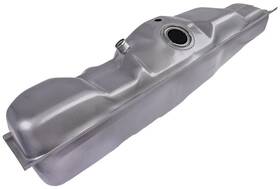
( Brand: Jegs ), ( Manufacturer Part Number: 78775 ), ( Part Type: Fuel Tank ), ( Country Of Origin: Twn ), ( UPC: 889944146247 )
Review JEGS Fuel Tank Ford fits F-150 F-250 1987–1989
The **78775 fuel tank** is a high-quality, direct-fit replacement part designed specifically for **1987 through 1989 Ford F-150 and F-250 trucks**, ensuring a seamless upgrade or repair for these classic models. Crafted from durable, corrosion-resistant materials, this fuel tank is engineered to meet or exceed OEM specifications, providing reliable performance and extended longevity under demanding conditions. The tank features a robust, reinforced construction to withstand the rigors of daily driving, including exposure to varying temperatures, road debris, and the stresses of heavy-duty hauling. Its precise fitment ensures compatibility with the original fuel lines, sender unit, and mounting brackets, eliminating the need for modifications or additional adapters. Whether replacing a damaged tank due to leaks, rust, or impact, or upgrading for enhanced fuel efficiency and durability, this part delivers a dependable solution that restores both functionality and confidence in your vehicle. Built to withstand the test of time, the **78775 fuel tank** is an essential component for maintaining the integrity and performance of your **1987 1989 Ford F-150 or F-250**, ensuring smooth operation and peace of mind for years to come.
### Pros and Cons of Buying a 1987 1989 Ford F-150/F-250 with a 78775 Fuel Tank
#### **Pros**
1. **Reliability of the Ford F-Series Platform**
The 1987 1989 Ford F-150 and F-250 trucks were built on a solid foundation, with many components designed to last under heavy-duty conditions. The frame and drivetrain were robust, making them suitable for work and towing.
2. **Fuel Tank Durability**
The 78775 fuel tank was a standard part for these trucks and was generally well-engineered. It was designed to handle the demands of regular use, though corrosion and wear over time could be an issue depending on maintenance history.
3. **Availability of Parts and Service Support**
Being a classic Ford model, parts are still relatively easy to find, especially for common components like the fuel tank, engine, and drivetrain. Ford dealerships and independent mechanics familiar with these trucks are still active, though specialized knowledge may be required for older models.
4. **Potential for Customization and Upgrades**
These trucks offer a lot of room for modifications, from engine swaps to suspension upgrades. The 78775 fuel tank, while functional, could be replaced with a modern or high-capacity tank if needed, allowing for greater fuel efficiency or capacity.
5. **Lower Purchase Price Compared to New Trucks**
Buying a used 1987 1989 F-150/F-250 will almost always be significantly cheaper than a new truck, making it an attractive option for budget-conscious buyers who don t need the latest technology.
6. **Proven Performance**
The engines from this era, particularly the 5.0L V8 (commonly known as the "302" or "5.0L Windsor"), were known for their durability and strong performance. With proper maintenance, these engines could last well over 200,000 miles.
7. **Classic Appeal and Nostalgia**
For enthusiasts or collectors, these trucks have a certain charm and nostalgia. Restoring or maintaining one can be a rewarding hobby, especially if you enjoy working on classic vehicles.
---
#### **Cons**
1. **Age-Related Wear and Tear**
At nearly 40 years old, these trucks will likely have significant wear on critical components like the transmission, suspension, and drivetrain. Rust, especially in the frame, fuel tank, and undercarriage, is a common issue that could lead to costly repairs if not addressed.
2. **Fuel Tank Risks**
The 78775 fuel tank, while sturdy, is prone to corrosion, especially if the truck was driven in harsh conditions or not properly maintained. Rust can weaken the tank, leading to leaks or even catastrophic failure. Older fuel tanks may also contain leaded fuel residues, which can contaminate the fuel system over time.
3. **Electrical System Challenges**
The electrical systems in these trucks were not as sophisticated as modern ones, and wiring harnesses can degrade over time. Issues like faulty alternators, corroded connections, or failing sensors can be difficult to diagnose and repair without proper tools or experience.
4. **Emissions and Modern Compliance**
These trucks were not built to meet modern emissions standards, which could make them difficult to register or drive in some states or countries. Retrofitting emissions systems (like catalytic converters or EVAP systems) can be expensive and may not fully resolve compliance issues.
5. **Fuel Efficiency and Modern Standards**
The fuel economy of these trucks is poor by today s standards, especially for the V8 models. Modern diesel or hybrid trucks offer far better mileage, making these older models less practical for daily driving unless you have heavy towing or hauling needs.
6. **Safety Features**
Older trucks lack modern safety features like stability control, advanced airbag systems, or electronic braking assistance. The lack of these features increases the risk of accidents, especially in modern traffic conditions.
7. **Maintenance Costs**
While parts may be available, labor costs for repairs can add up, particularly if you need to hire a specialist for older Ford models. Regular maintenance like timing belt replacements, fluid changes, and rust treatment can become a significant ongoing expense.
8. **Resale Value**
Classic trucks like these do not hold value well. If you plan to sell or trade in the truck in the future, you may not recoup much of your investment, especially if the truck requires extensive work.
---
### **Conclusion**
Buying a 1987 1989 Ford F-150/F-250 with a 78775 fuel tank can be a great choice if you are looking for a durable, work-ready truck for specific purposes like towing, hauling, or off-roading, and if you are prepared for the challenges of maintaining an older vehicle. The truck s reliability, availability of parts, and potential for customization make it appealing to enthusiasts and practical for those who prioritize function over modern convenience.
However, the risks of rust, fuel tank failure, high maintenance costs, and compliance issues with modern regulations cannot be ignored. If you are not willing to invest time and money into repairs, rust treatment, and potential upgrades, this truck may not be the best long-term investment.
---
### **Recommendation**
If you decide to proceed with purchasing this truck, follow these steps to mitigate risks:1. **Thorough Inspection**
Have a trusted mechanic perform a detailed inspection, focusing on the fuel tank for rust, the frame for structural integrity, and the engine and transmission for wear. Check for signs of leaks, corrosion, or improper maintenance.
2. **Fuel Tank Assessment**
If the fuel tank shows signs of rust or weakness, consider replacing it with a modern or high-quality aftermarket tank. Ensure the fuel system is clean and free of contaminants.
3. **Budget for Repairs**
Set aside a budget for potential repairs, including rust treatment, suspension work, and engine maintenance. Be prepared for unexpected issues that may arise during ownership.
4. **Use for Specific Purposes**
Limit the truck s use to tasks where its strengths shine, such as towing, hauling, or off-roading. Avoid daily driving unless you are comfortable with the truck s limitations.
5. **Consider a Restoration Project**
If you enjoy working on vehicles, this truck could be a rewarding project. However, be realistic about the time and effort required to bring it to a reliable condition.
6. **Alternative Options**
If you need a more practical or modern truck, consider newer used models that offer better fuel efficiency, safety features, and lower long-term maintenance costs. For example, a well-maintained 2010 2015 F-150 with a modern diesel engine could be a more balanced choice.
In summary, this truck is a solid choice for the right buyer someone who values durability, enjoys working on vehicles, and is prepared for the challenges of owning an older model. For most everyday drivers, however, a newer or more modern truck may be a safer and more practical investment.
Details:
part #: 78775 price
- $105.99
specifications fueltanksysteme:
- for models: F-150, F-250
- for makes: Ford
- for years: 1987-1989
- brand: Jegs
- mpn: 78775
- part type: Fuel Tank
- country of origin: Twn
- upc: 889944146247
seller fueltanksysteme:
- rating: 99.4%
- city: , Ohio
- # reviews: 627115
general fueltanksysteme:
- Car Truck Parts Accessories > Air Fuel Delivery > Fuel Tanks Filler Necks
- condition: New
offer fueltanksysteme:
- quantity: 10
- options: Ship-to-home
- availability: In Stock
- started: April 26, 2026
- sold: 0
payments fueltanksysteme:
- credit card: Mastercard
- other
- wallet: Google-pay
shipping fueltanksysteme:
- service: Standard
- type: Fixed
- transit: 4-7 Days
- cost: $15.99
- class: Standard
returns fueltanksysteme:
- time: 30 Days
- paid by: Seller
- policy: Returns Accepted
Jegs 78775 Is Similar To:
- 150071 Jegs Performance Products Billet Fuel Filter Blue 889944023531 (30.5% similar) Performance products billet in-line fuel filter 08AN blue FILTER-08ANBLUE10 micron cellulose paper ELEMENT9 long x 2 DOA...(August 29th, 2018)
- 15394k Jegs Fuel Cell Pump Kit Capacity Gallons Gph Includes (27.5% similar) ...(May 30th, 2019)
- 78054k Jegs Fuel Tank Kit Fits Chevrolet Camaro Pontiac Fire (36.7% similar) 78054K fuel tank kit includes 1/2 1-GALLON fuel tank for 1974 -1978 Chevrolet Camry and Pontiac fire bird 555-78054. 1 fuel tank sending unit for 1976 -1981 gm f-body cars 555-78486 3/8 in. The 78054K is in new condition...(January 7th, 2022)
- 78026 Jegs Fuel Tank Chevrolet Camaro Pontiac Firebird 889944131199 (36.2% similar) Main with 1/4 in. Includes new lock ring and gasket 555-78763. 1967 -1968 Pontiac fire bird. 1967 -1968 Chevrolet Camry. New condition...(May 15th, 2022)
- Jegs 78014 Fuel Tank For 1971-1972 Chevelle (56.5% similar) 1971-1972 Chevrolet Chevalier. Includes new lock ring and gasket 555-78763. Main with 1/4 in. New condition...(June 15th, 2022)
- Jegs 78516 Fuel Tank Sending Unit For 1973-1979 Chevrolet And Gmc Truck (46.7% similar) Take the guess work out of your restoration. Has a faulty sending unit ruined cruise-in or date night. New condition...(July 10th, 2022)
- Jegs 78098 Fuel Tank 1971-1972 Dodge Charger 1971-1972 Dodge Coronet 1971-1972 P (49.6% similar) 1971-1972 dodge coronet. Includes new lock ring and gasket 555-78765. New condition...(August 15th, 2022)
- Jegs 78279 Fuel Filler Neck For 2011-2013 Jeep Grand Cherokee (45.5% similar) American express. INLET43.500 in. Fuel filler NECK2011-2013 jeep grand CHEROKEE1 in...(July 22nd, 2025)
- Jegs 78833 Fuel Filler Neck For 1967-1968 Camaro firebird (41.5% similar) It is a perfect replacement for your worn, leaking, or rusted-out stock filler neck. American express. 78833 fuel filler neck 1967 -1968 Camry/fire bird gm f-body OE-style replay, NECK 1967 -1968 f-body OE-style REPLACEMENT2 in. This unit is made of steel to exceed OE standards and coated with a ...(August 19th, 2025)
- Jegs 80416 Fuel Filler Neck 1999-2004 Ford Mustang Without California Emissions (40.6% similar) American express. Made to exceed OE standards, it perfectly replaces your worn, leaking, or rusted stock filler neck...(August 24th, 2025)
- Jegs 78002 Fuel Tank 1970 Chevrolet Chevelle Monte Carlo 20-gallo (42.1% similar) Recommended sending unit 555-78468 3/8 in. Main with 1/4 in. American express. Fuel TANK 1970 Chevy Chevalier, Monte CARLO20-GALLON3 vent tubes w/oceanic-nickel steel silver epoxy finish filler neck installed replaces part number GM34G 555-78002 tank features: includes new lock ring and gasket 555-...(August 31st, 2025)
