GM 85585196 Fuel Tank Filler Neck
fits year: 2020–2024.
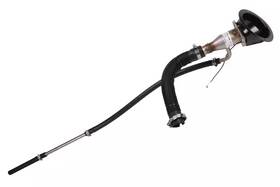
( Brand: Gm ), ( Manufacturer Part Number: 85585196 ), ( Part Type: Fuel Tank Filler ), ( Genuine Oem: Yes ), ( Manufacturer Warranty: 1 Year ), ( Fitment Type: Direct Replacement ), ( Make: Gmc ), ( Year: 2020 2021 2022 2023 2024 ), ( Parts Included: Only Part Reference 1 On The Diagram Is Included ), ( Replaces Part Number: 84634019, 84861894 )
Review GM Genuine Fuel Tank Filler Neck fits 2020–2024
The **GM 85585196 Fuel Tank Filler Neck** is a precision-engineered component designed to ensure a secure, leak-proof, and efficient fueling experience for General Motors vehicles equipped with this specific part number. Crafted from high-quality, durable materials, this filler neck is built to withstand the rigors of daily use, including exposure to fuel vapors, temperature fluctuations, and mechanical stress from repeated fuel cap engagement. The design features a robust, corrosion-resistant outer housing that protects against environmental degradation, ensuring long-term reliability even in harsh conditions. Inside, a tightly sealed gasket system prevents fuel spillage and vapor leaks, maintaining compliance with emissions regulations while preserving fuel efficiency. The filler neck is engineered to fit seamlessly with GM s fuel system architecture, offering a snug, interference-free connection to the fuel tank, which minimizes the risk of misalignment or improper sealing. Its ergonomic cap design allows for easy installation and removal, reducing the likelihood of user frustration or accidental damage during maintenance. Whether installed in a sedan, SUV, or light-duty truck, this filler neck delivers a tight, consistent seal that enhances both performance and safety, making it an essential replacement part for GM vehicles requiring this exact specification. Built to meet or exceed OEM standards, it provides the same level of performance as the original equipment, ensuring compatibility with all compatible fuel types and vehicle models.
**Pros and Cons of buying a GM 85585196 Fuel Tank Filler Neck**
### **Pros:**1. **Direct Fitment** This part is specifically designed for General Motors vehicles, ensuring compatibility with your model without modifications. It is engineered to match the exact dimensions and mounting points of the original equipment manufacturer (OEM) component, reducing the risk of installation issues.
2. **Quality and Durability** GM parts, especially those from authorized suppliers or aftermarket brands that replicate OEM standards, are typically built to withstand the stresses of daily use, including exposure to fuel, weather, and mechanical strain. This can extend the lifespan of your fuel system compared to lower-quality alternatives.
3. **Reliability** Since it is a genuine or high-quality aftermarket replacement, it is less likely to fail prematurely or cause leaks, which could lead to fuel spills, fire hazards, or damage to your vehicle s interior. A reliable filler neck ensures a secure seal and proper function of the fuel cap mechanism.
4. **Ease of Installation** The part is designed to fit standard tools and procedures, making it accessible for DIY enthusiasts or mechanics with basic automotive skills. Instructions are usually straightforward, and the part often comes with necessary hardware (e.g., clips, gaskets) to simplify the process.
5. **Compatibility with Modern Vehicles** Many GM vehicles, including those with electronic fuel pumps or advanced fuel systems, require precise components to avoid compatibility issues. This filler neck is likely designed to integrate seamlessly with these systems, reducing the risk of malfunctions or diagnostic trouble codes (DTCs).
6. **Warranty Coverage** Purchasing from a reputable dealer or supplier may include a warranty, offering protection against defects in materials or workmanship. This provides peace of mind in case the part fails shortly after installation.
7. **Prevents Fuel Contamination** A properly functioning filler neck ensures that debris, moisture, or contaminants are less likely to enter the fuel tank, protecting your fuel system and engine from damage. This is particularly important for vehicles with direct fuel injection or sensitive fuel delivery systems.
---
### **Cons:**1. **Cost** GM parts, especially OEM or high-quality aftermarket replacements, can be more expensive than generic or non-branded alternatives. The price may be a barrier for budget-conscious buyers, though the long-term benefits often justify the investment.
2. **Limited Availability** Depending on the supplier, this part may not be readily available at local auto parts stores. You might need to order it online, which could involve shipping delays or additional costs. Some aftermarket parts may also be harder to find compared to more common components.
3. **Potential Counterfeit Parts** If purchased from untrusted sources (e.g., unverified online marketplaces), there is a risk of receiving counterfeit or low-quality replicas. These parts may fail quickly, fit poorly, or even damage your vehicle s fuel system. Always buy from authorized dealers or well-reviewed suppliers.
4. **Installation Challenges** While generally straightforward, some vehicles may have unique mounting configurations or require additional steps (e.g., trimming surrounding panels or adjusting the fuel cap mechanism). Improper installation could lead to leaks, misalignment, or difficulty removing the fuel cap.
5. **Compatibility with Aftermarket Modifications** If your vehicle has been modified (e.g., with an aftermarket fuel tank, custom exhaust, or lift kit), the filler neck may not fit perfectly or could interfere with other components. Always verify compatibility with your specific modifications.
6. **Environmental and Disposal Concerns** Like all automotive parts, the filler neck may contain materials that are not easily recyclable. Disposing of it improperly could have environmental implications, though this is more of a general concern than a direct drawback of the part itself.
7. **Potential for Overkill** If your vehicle s original filler neck was functioning adequately and the failure was minor (e.g., a loose clip or worn gasket), replacing the entire assembly might be more than necessary. In such cases, a simpler repair (e.g., replacing a gasket or clip) could be a more cost-effective solution.
---
### **Conclusion:**The GM 85585196 fuel tank filler neck is a high-quality, reliable replacement part designed for specific General Motors vehicles. Its primary advantages lie in its direct fitment, durability, and compatibility with modern fuel systems, which help prevent leaks, contamination, and long-term damage. These benefits make it a worthwhile investment for maintaining or restoring your vehicle s fuel system to optimal performance.
However, the higher cost and potential challenges related to availability, installation, or counterfeit parts must be considered. If you are replacing a failed or damaged filler neck and prioritize longevity and peace of mind, this part is an excellent choice. For minor issues or budget constraints, evaluating simpler repair options may be more practical.
---
### **Recommendation:**1. **Verify Compatibility** Double-check that the part number (85585196) matches your vehicle s make, model, and year. Consult your vehicle s service manual or a trusted mechanic if unsure.
2. **Purchase from a Reputable Source** Buy the part from an authorized GM dealer, a well-reviewed online retailer (e.g., RockAuto, Amazon, or local auto parts stores with strong return policies), or a mechanic you trust. Avoid unknown sellers to minimize the risk of counterfeit parts.
3. **Prepare for Installation** Gather the necessary tools (e.g., socket set, wrenches, pliers) and any additional hardware (e.g., new gaskets or clips) that may be required. If you re unsure about the process, consider having a mechanic perform the installation.
4. **Inspect for Damage** Before installing, examine the new filler neck for manufacturing defects, such as cracks, misaligned mounting holes, or damaged seals. Return it immediately if any issues are found.
5. **Follow Maintenance Best Practices** After installation, periodically check the filler neck and fuel cap for signs of wear, leaks, or improper sealing. Replace the fuel cap if it is damaged or not functioning correctly, as this can also contribute to fuel system issues.
6. **Consider Warranty Coverage** If the part comes with a warranty, keep the receipt and installation records. This protects you in case of premature failure due to a defect.
In summary, the GM 85585196 fuel tank filler neck is a strong choice for those seeking a reliable, long-lasting replacement. With careful sourcing and proper installation, it will help maintain your vehicle s fuel system s integrity and performance.
Details:
Just Didn't Like it. Changed My Mind. Incl.Upper Pipe and Lower Hose. Found a Better Price.
part #: 85585196 prices
- $115.00-$316.55
specifications fueltanksysteme:
- for years: 2020-2024
- brand: Gm
- mpn: 85585196
- part type: Fuel Tank Filler
- genuine oem: Yes
- manufacturer warranty: 1 Year
- fitment type: Direct Replacement
- make: Gmc
- year: 2020 2021 2022 2023 2024
- parts included: Only Part Reference 1 On The Diagram Is Included
- replaces part number: 84634019, 84861894
general fueltanksysteme:
- Car Truck Parts Accessories > Air Fuel Delivery > Fuel Tanks Filler Necks
- condition: New
seller fueltanksysteme:
- rating: 99.0%
- city: Garland, Texas
- # reviews: 30892
shipping fueltanksysteme:
- class: Standard
- transit: 5-11 Days
- type: Fixed
- service: FedEx Ground / FedEx Home Delivery
- cost: $0.00
- carrier: FedEx
returns fueltanksysteme:
- paid by: Seller
- time: 30 Days
- policy: Returns Accepted
offer fueltanksysteme:
- sold: 0
- quantity: 1
- availability: In Stock
- options: Ship-to-home
- started: April 12, 2026
payments fueltanksysteme:
- wallet: Apple-pay
- other
- credit card: Diners-club
Gm 85585196 Is Similar To:
- 00001111000 Gm Nos Fuel Filler (42.3% similar) It uses a standard thread on cap. Suburban, Tahoe, avalanche, Yukon, Denali, and Escalade upper neck only. Research on it: cab chassis, flatbed, utility body, box van etc. New Gm no part numbers or packaging but the pack that it came in had of a shipping label on. It is 2 OD pipe, 5/8 vent pipe. ...(November 10th, 2017)
- 10021507 Gm Nos Oem Original Factory Chevy Camaro Pontiac Firebird Fuel (23.2% similar) Shipping quoted is for the USA. 5l 4CYL, 8l V6, and up for sale is a new, nos, factory original Gm fuel tank emissions valve f-body vehicles with the has never been used, and comes as pictured. Thanks and good luck. The nos part number is that changed to with group '3. I have 3 available. This would...(November 10th, 2018)
- 10137397 Gm Fuel Tank Strap Nuts Monte Carlo Impala Grand Prix (36.9% similar) The shipping calculator is not always accurate and doesn list all options. We attempt to describe each component thoroughly. Shipping may be lower than cost posted. Inc 10137397G3. Some fragile or delicate items may need special packaging to insure safe arrival. Double check, ask questions, and try ...(May 2nd, 2018)
- 10156939 Gm Oem Fuel System-shield (32% similar) Warranting warranty...(October 15th, 2017)
- 10313490 Gm Brand New Genuine Oem Fuel Tank Cap (50% similar) The Tosca family has also led nation in both ford and Lincoln mercury sales during our history. Over his many years, he has developed a business of best in class sales and service. Continental us. There is always a member of the Tosca family to meet with customer. Return procedure all of Tosca's top...(September 12th, 2018)
- 10322554 Gm New Fuel Tank Filler Pipe And Vent Corvette Xlr (46% similar) You cannot rely on fitment chart to be accurate. No return or exchange on MI's-ordered parts. Item: new oem Gm factory surplus fuel tank filler pipe and vent for select C5, c6 corvette Cadillac XLR. New oem surplus parts do not carry any guarantee or warranty by the original manufacturer. See ...(October 2nd, 2018)
- 10326376 Gm Oem Locking Fuel (34.8% similar) What you see in the photos is will receive make sure to check all as they are part of. I ship to shipping hub only. New in package...(October 24th, 2017)
- 10337264 Gm Chevrolet Genuine Fuel (42.7% similar) Buyer pays return shipping costs. Parts must be resalable and in the original packaging. Shipping carrier substitutions may be made at our determination in an attempt to reduce cost the customer. Electrical parts are not returnable...(November 18th, 2017)
- 10346662 Gm Oem-fuel Tank (36.4% similar) From brake pads to outside mirrors, water pumps floor mats, or control modules fuel injectors think of courtesy Chevrolet. What vehicle year, make, model, trim level and engine displacement the part being sold is manufactured to fit. Superseded part numbers this item may have been from a different ...(February 27th, 2017)
- 10372246 Gm Brand New Genuine Oem Fuel Tank Cap (50% similar) All of Tosca's top quality oem replacement parts are backed by a 12 month 12,000 mile warranty. Continental us. There is always a member of the Tosca family to meet with customer. The Tosca family has also led nation in both ford and Lincoln mercury sales during our history. Over his many years, he ...(June 26th, 2018)
- 10372867 Gm Oem Fuel Tank (42.4% similar) Superseded part numbers this item may have been from a different number manufacture. This part fits vehicles made in the following years 1997 , 1998 , 1999 , 20 2001 , 2002 , 2003 , 2004 , 2005 . Mini passenger van 4-DOOR, Z28 convertible 2-DOOR, coupe SS Z34 2-DOOR...(September 18th, 2017)
