MITSUBISHI 8651A025 Fuel Level Sensor Tank Pressure
fits model: Awd, Outlander. make: Mitsubishi. year: 2007–2020.
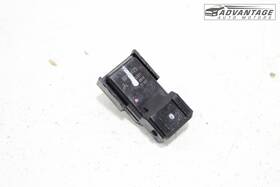
( Manufacturer Part Number: 8651A025 ), ( Bundle Listing: No ), ( Fitment Type: Direct Replacement ), ( Fuel Type: Gasoline ), ( Material: Plastic ), ( Placement On Vehicle: Rear ), ( Type: Pressure Sensor )
Review MITSUBISHI Fuel Tank Pressure Sensor Oem fits OUTLANDER AWD 2007–2020
The **Mitsubishi 8651A025 Fuel Tank Pressure Sensor**, manufactured for use in **2007 2020 Mitsubishi Outlander AWD models**, is a critical component of the vehicle s fuel delivery and emissions control systems. This high-quality, direct-fit replacement sensor is engineered to maintain precise fuel pressure regulation within the tank, ensuring optimal engine performance, fuel efficiency, and compliance with emissions standards. Designed with Mitsubishi s stringent engineering standards in mind, this sensor features a robust, corrosion-resistant construction to withstand the harsh conditions of daily driving, including exposure to moisture, temperature fluctuations, and fuel system vibrations. The unit incorporates a reliable pressure transducer that accurately monitors fuel level and pressure, transmitting real-time data to the vehicle s fuel injection control module (ECM) to prevent issues such as fuel starvation, incorrect air-fuel ratios, or erratic engine behavior. Whether replacing a worn-out original equipment sensor or upgrading an aging system, this aftermarket part is built to match or exceed OEM specifications, offering seamless compatibility with the Outlander s fuel pump, fuel rail, and diagnostic systems. Its precise calibration ensures that the engine runs smoothly, reducing the risk of check engine lights, poor acceleration, or fuel economy degradation. Ideal for both professional mechanics and DIY enthusiasts, this sensor is a straightforward, plug-and-play solution that restores the Outlander s fuel system to peak condition, extending the lifespan of the vehicle s components while maintaining reliability.
### Pros and Cons of Buying a Used Mitsubishi 8651A025 (2007 2020 Outlander AWD) Fuel Tank Pressure Sensor
#### **Pros:**1. **Cost-Effective Replacement** The sensor is a relatively inexpensive part compared to labor costs, making it a budget-friendly fix for fuel system issues.
2. **Common Availability** As a widely used component in multiple Mitsubishi models, finding a replacement is straightforward, whether from an auto parts store, online retailer, or salvage yard.
3. **Prevents Larger Engine Problems** A faulty sensor can lead to misfires, poor fuel economy, or even engine stalling if left unaddressed. Replacing it early avoids more costly repairs down the line.
4. **Easy Installation** The sensor is typically located near the fuel tank or fuel rail, and replacement usually requires minimal tools, making it a DIY-friendly repair for those with basic mechanical skills.
5. **Compatibility with Aftermarket Parts** Many aftermarket sensors are designed to fit this model, offering alternatives to OEM parts at a lower cost without sacrificing performance.
6. **Long-Term Reliability** Once replaced with a functional sensor, the issue is resolved, preventing intermittent fuel delivery problems that could cause driving inconveniences.
#### **Cons:**1. **Potential Counterfeit Parts** Cheaper aftermarket sensors may not meet OEM quality standards, leading to premature failure or inaccurate readings. Buying from reputable suppliers reduces this risk.
2. **Diagnostic Challenges** If the sensor is part of a broader fuel system issue (e.g., clogged fuel lines, weak fuel pump), replacing just the sensor may not fully resolve the problem, requiring further diagnosis.
3. **Fuel System Contamination Risk** If the old sensor was leaking or damaged, fuel residue or debris could contaminate the system during removal. Cleaning the area thoroughly during installation helps mitigate this.
4. **Limited Lifespan of Some Sensors** While durable, sensors can wear out over time, especially in vehicles with high mileage or poor fuel quality. Regular maintenance can extend their lifespan.
5. **Compatibility Variations** Some aftermarket sensors may not perfectly match the OEM sensor s calibration or wiring, potentially causing minor issues like false error codes or inconsistent readings.
6. **Labor Costs if Professional Help is Needed** While installation is straightforward, those without mechanical experience may need to pay a mechanic, adding to the overall cost.
---
### **Conclusion:**The **Mitsubishi 8651A025 fuel tank pressure sensor** is a practical and cost-effective part to replace for the 2007 2020 Outlander AWD, especially if the issue is isolated to the sensor itself. Its affordability, ease of installation, and role in preventing larger engine problems make it a wise investment for most owners. However, buyers should prioritize quality (preferably OEM or high-grade aftermarket) to avoid premature failure. If the vehicle has other fuel system issues, a thorough diagnostic check is advisable to ensure the sensor replacement fully resolves the problem.
---
### **Recommendation:**- **Buy from a trusted source** (e.g., RockAuto, Amazon, or a reputable local auto parts store) to avoid counterfeit or low-quality sensors.
- **Verify compatibility** with your specific Outlander model year to ensure the sensor matches wiring and mounting requirements.
- **Inspect the fuel system** during installation clean the sensor area and check for leaks or clogs in fuel lines.
- **Consider professional installation** if unsure about handling fuel system components, as improper handling can lead to spills or damage.
- **Monitor for recurring issues** after replacement; if problems persist, further diagnostics (e.g., fuel pump test, fuel rail inspection) may be needed.
For most DIY-savvy owners, replacing this sensor is a straightforward and worthwhile repair that extends the vehicle s reliability.
Details:
COLOR: EXTERIOR QUARTZ BROWN METALLIC C06. MILEAGE: 142K MILES. TRANSMISSION: CONTINUOUSLY VARIABLE JATCO CVT8 JF016E / AA90A. BODY TYPE: SPORT UTILITY 4-DOOR SUV.
part #: 8651a025 prices
- $14.14-$21.90
specifications fueltanksysteme:
- for models: Awd, Outlander
- for makes: Mitsubishi
- for years: 2007-2020
- mpn: 8651a025
- bundle listing: No
- fitment type: Direct Replacement
- fuel type: Gasoline
- material: Plastic
- placement on vehicle: Rear
- type: Pressure Sensor
shipping fueltanksysteme:
- transit: 4-7 Days
- class: Standard
- service: Standard
- cost: $0.00
- type: Fixed
payments fueltanksysteme:
- other
- credit card: Discover
- wallet: Paypal
returns fueltanksysteme:
- policy: Returns Accepted
- time: 30 Days
- paid by: Seller
seller fueltanksysteme:
- rating: 99.9%
- # reviews: 60102
- city: Kingsley, Michigan
general fueltanksysteme:
- Car Truck Parts Accessories > Air Fuel Delivery > Fuel Tanks Filler Necks
- condition: Used
offer fueltanksysteme:
- sold: 0
- best offers: True
- quantity: 1
- started: May 1, 2026
- availability: In Stock
- options: Ship-to-home
Mitsubishi 8651A025 Is Similar To:
- 13774763 Perfect Fit Gallon Fuel Tank For Mitsubishi Lancer 723650406823 (29% similar) 2 gallon fuel tank for mitsubishi lancer. The manufacturers warranty shall be exclusive remedy for any such product defect or failure. Material steel capacity 13. Some manufacturers require that you register your product to activate its warranty. Please for any questions. Each warranty gives you ...(September 18th, 2018)
- 1700a891 1700-a891 Oem Mitsubishi Lancer Evolution Fuel Tank Gas Reservoir (41.6% similar) Expedited shipping available, directly for details. Products sold in quantities will show a single image representing the others equal or greater condition...(July 5th, 2019)
- 1705a339 Mitsubishi Oem Outlander Sport Tank Assembly Pad (49.2% similar) All airbag modules are also non returnable...(August 18th, 2018)
- 1710a051 Oem Mitsubishi Lancer Fuel Filler Neck Seal Boot Rubber (42.3% similar) Products sold in quantities will show a single image representing the others equal or greater condition. Expedited shipping available, directly for details...(July 4th, 2019)
- 1710a398 Mitsubishi Oem 2010 Outlander-fuel (48.3% similar) All parts are in genuine packages, brand new sealed condition. At times the item purchased may be discontinued or back-ordered from manufacturer. Please double check item specifications. Right is passenger side. Left is drivers side...(August 1st, 2017)
- 1710a514 Mitsubishi Mirage Fuel Filler Neck Tube Pipe Cap Oem (41.8% similar) Each image displayed is the of exact item you are buying on. M to 4:30 PO...(May 7th, 2018)
- 1711a047 Mitsubishi Oem Mirage Fuel Tank Cap (42.7% similar) ...(September 19th, 2018)
- 1785a010 Mitsubishi Oem New Genuine Fuel Tank Level Sensor Valve (54% similar) ...(October 25th, 2018)
- R257375 Tmitsu Fuel Tank With Pump 91 92 93 94 95 96 Mitsubishi Pickup 197-58645 (26.1% similar) Home businesses, churches, military bases, schools, and self storage units cannot be delivered. This part will only fit the makes and model's with the options shown below. This part will only fit the makes and model's with the options shown above. Orders placed after 1 pm CST cannot be guaranteed ...(May 25th, 2016)
- 38-206948o Oe Quality Replacement For Mitsubishi Lancer Direct Fit Fuel Tank (34.9% similar) ...(August 28th, 2018)
- 52013188ae Mitsubishi Genuine Raider Fuel (35.1% similar) Our Mopar parts team is here to help. Shipping carrier substitutions may be made at our determination in an attempt to reduce cost the customer. Parts must be resalable and in the original packaging. Electrical parts are not returnable...(November 2nd, 2017)
