AUDI 8F0-809-999-B Fuel Filler Housing
fits make: Audi. year: 2013–2015.
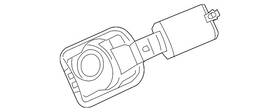
( Manufacturer Part Number: 8F0-809-999-B ), ( Part Type: Fuel Filler Housing ), ( Genuine Oem: Yes ), ( Manufacturer Warranty: 1 Year ), ( Fitment Type: Direct Replacement ), ( Year: 2013 2014 2015 ), ( Parts Included: Only Part Reference 9 On The Diagram Is Included )
Review AUDI Genuine Fuel Filler Housing fits 2013–2015
The **Audi 8F0-809-999-B Fuel Filler Housing** is a precision-engineered component designed specifically for Audi vehicles equipped with the 1.8L, 2.0L, and 2.8L turbocharged engines, particularly those produced between the late 1990s and early 2000s, including models like the Audi A4 (B5), A6 (C4), and TT (8N). This fuel filler housing serves as the critical interface between the vehicle s fuel system and the external environment, housing the fuel filler neck, cap, and associated sealing mechanisms while ensuring a secure, leak-proof connection. Crafted from high-quality, durable materials typically reinforced plastic or metal this part is engineered to withstand the rigors of daily driving, including exposure to fuel vapors, temperature fluctuations, and mechanical stress from repeated opening and closing of the fuel cap.
The **8F0-809-999-B** is distinguished by its precise fitment, featuring a threaded or snap-fit design that aligns seamlessly with the vehicle s bodywork, preventing misalignment or gaps that could lead to fuel spillage or contamination. The housing incorporates a robust gasket or O-ring system to maintain an airtight seal, which is essential for meeting emissions standards and preventing fuel odors from permeating the cabin. Additionally, this component often includes integrated mounting brackets or clips to ensure stability and proper alignment during installation, reducing the risk of detachment under vibration or impact.
For maintenance and repair purposes, the **8F0-809-999-B** is designed for straightforward replacement, though it may require careful handling to avoid damaging the surrounding body panels or electrical connections, such as those for the fuel cap switch or fuel level sensor. Compatibility extends beyond Audi models to certain Volkswagen, SEAT, and koda vehicles sharing the same platform, making it a versatile choice for mechanics and DIY enthusiasts working on these platforms. Whether addressing a cracked housing, a faulty seal, or a replacement due to wear, this part ensures long-term reliability and compliance with automotive safety and emissions regulations.
**Pros and Cons of buying a Audi Fuel Filler Housing (Part Number: 8F0 809 999 B)**
### **Pros:** The fuel filler housing (also known as the fuel door or filler flap assembly) is a critical component for several reasons:1. **Direct Fitment and Compatibility** This part is designed specifically for Audi models, ensuring an exact match in terms of shape, size, and functionality. It eliminates the need for modifications or additional adapters, which can be a hassle with aftermarket or generic parts.
2. **Quality and Durability** Audi parts, especially those from the original manufacturer (OEM), are built to meet strict quality standards. This part is likely made from durable materials (such as reinforced plastic or metal components) that resist wear, corrosion, and environmental damage over time. This reduces the risk of premature failure compared to cheaper alternatives.
3. **Sealing and Functionality** The fuel filler housing includes seals and hinges that ensure a proper fit, preventing fuel leaks, water ingress, and dust accumulation in the fuel system. A well-functioning part also ensures the fuel cap locks securely, reducing the risk of theft or accidental spills.
4. **Aesthetic Consistency** Replacing with an OEM part maintains the vehicle s original appearance, which is important for owners who prioritize a factory look. Aftermarket parts may not match the exact styling or color of the original component.
5. **Warranty Coverage** If purchased from an authorized dealer or through a reputable supplier, this part may still be covered under Audi s warranty or extended service plans, depending on the vehicle s age and mileage. This provides peace of mind in case of defects.
6. **Compatibility with Modern Features** Some Audi models include electronic fuel door locks or sensors that detect the fuel cap s position. An OEM part ensures compatibility with these systems, avoiding potential malfunctions or error codes.
7. **Ease of Installation** Since it is designed for the specific model, the part should fit seamlessly during installation. This reduces the complexity of the repair compared to aftermarket parts that may require adjustments or additional tools.
---
### **Cons:** While this part offers many advantages, there are some potential drawbacks to consider:1. **Higher Cost** OEM parts are typically more expensive than aftermarket alternatives. The price of the Audi fuel filler housing (8F0 809 999 B) will likely be significantly higher than a generic or third-party replacement. This can be a deterrent for budget-conscious buyers, especially if the part is not under warranty.
2. **Limited Availability** Depending on the region and supplier, OEM parts may not always be readily available. Some dealers or online retailers may have long lead times or require special ordering, which can delay repairs. Aftermarket parts, while cheaper, are usually available more quickly.
3. **Potential for Counterfeit Parts** When purchasing online, there is a risk of receiving a counterfeit or substandard OEM part. These may not fit correctly, fail prematurely, or lack the necessary quality certifications. Buying from authorized dealers or reputable suppliers (such as Audi-approved parts vendors) mitigates this risk but adds to the cost.
4. **Overkill for Minor Issues** If the fuel filler housing is only slightly damaged (e.g., a cracked plastic trim but fully functional hinges and seals), replacing the entire assembly may be unnecessary. In such cases, a partial repair (e.g., replacing just the trim or seal) could be more cost-effective. However, if the hinges, latch, or seals are worn, a full replacement is often the best solution.
5. **Installation Complexity** While OEM parts are designed for easy fitment, some Audi models may require disassembling parts of the fuel tank area or bodywork to access the housing. This can make the installation process more involved, especially for DIYers without experience in body or fuel system repairs. Professional installation may be necessary, adding to the overall cost.
6. **Environmental and Ethical Concerns** Purchasing OEM parts contributes to the production of new components, which may have environmental implications (e.g., manufacturing waste, energy use). Some buyers prefer aftermarket or refurbished parts to reduce their environmental footprint, though this trade-off depends on personal values.
7. **Potential for Overpaying** If the vehicle is older or has high mileage, the cost of an OEM part may not justify the investment compared to the remaining lifespan of the vehicle. In such cases, aftermarket parts or a used/refurbished part could be a more practical choice.
---
### **Conclusion:**The Audi fuel filler housing (8F0 809 999 B) is a high-quality, reliable replacement part that ensures proper function, safety, and aesthetic consistency for your vehicle. Its advantages such as direct fitment, durability, and compatibility with modern systems make it an ideal choice for owners who prioritize performance and longevity. However, the higher cost, potential availability issues, and the risk of counterfeit parts are significant drawbacks that must be weighed against the benefits.
For most Audi owners, especially those who value original equipment quality and long-term reliability, the OEM part is the best option. If budget or availability is a concern, thorough research into reputable aftermarket suppliers or refurbished parts may be worthwhile, but these alternatives should be carefully vetted for quality and compatibility.
---
### **Recommendation:** **Buy the OEM Audi fuel filler housing (8F0 809 999 B) if:**- You prioritize quality, durability, and a perfect fit for your vehicle.
- Your Audi is still under warranty or you have access to extended service coverage.
- You are confident in the part s authenticity (purchasing from an authorized dealer or a trusted online retailer with return policies).
- The damage to the current part is extensive (e.g., broken hinges, failed seals, or structural integrity issues).
**Consider an aftermarket or refurbished alternative if:**- You are on a tight budget and can verify the aftermarket part s compatibility and quality (look for parts with positive reviews or certifications like ISO/TS 16949).
- The vehicle is older or has high mileage, and the cost of the OEM part seems disproportionate to the remaining value of the car.
- You are comfortable with a slightly higher risk of fitment or longevity issues in exchange for lower upfront costs.
**Additional Tips:**- Always check the part number for your specific Audi model year to ensure compatibility (some variants may have slight differences).
- Inspect the existing part for damage to determine whether a full replacement or partial repair is necessary.
- If installing yourself, follow Audi s service manual or consult a professional to avoid damaging surrounding components.
- For peace of mind, consider purchasing from a supplier that offers a warranty or return policy.
Details:
Parts must be resalable and in the original packaging. Shipping Carrier substitutions may be made at our determination in an attempt to reduce shipping cost the customer. Special Order Items are not returnable under any circumstance. Electrical parts are not returnable.
part #: 8f0809999 prices
- $45.60-$150.94
specifications fueltanksysteme:
- for makes: Audi
- for years: 2013-2015
- mpn: 8f0-809-999-b
- part type: Fuel Filler Housing
- genuine oem: Yes
- manufacturer warranty: 1 Year
- fitment type: Direct Replacement
- year: 2013 2014 2015
- parts included: Only Part Reference 9 On The Diagram Is Included
seller fueltanksysteme:
- city: Henderson, Nevada
- # reviews: 5809
- rating: 99.0%
shipping fueltanksysteme:
- class: Standard
- transit: 5-12 Days
- cost: $8.99
- service: Standard
- type: Fixed
returns fueltanksysteme:
- time: 30 Days
- paid by: Seller
- policy: Returns Accepted
payments fueltanksysteme:
- wallet: Paypal
- other
- credit card: Diners-club
general fueltanksysteme:
- condition: New
- Car Truck Parts Accessories > Air Fuel Delivery > Fuel Tanks Filler Necks
offer fueltanksysteme:
- quantity: 1
- options: Ship-to-home
- started: February 5, 2026
- availability: In Stock
- sold: 0
Audi 8F0-809-999 Is Similar To:
- 11582 Stant Locking Gas Cap Fuel Black Key Audi Honda Acura (32.4% similar) See photos bid early and often. See pics and. This is a open but new on damaged packaging Stan locking gas cap. This is the correct black cap not chrome stock photo that catalog uses. Shipped via USPS flat rate whenever possible. I will combine shipping when possible...(June 3rd, 2018)
- 255892 Audi Tt 2008 Fuel Filler Door 177.au1k08 (45.2% similar) No expedited shipping is available. Original shipping charges and return shipping charges are not covered...(August 12th, 2016)
- 1c0201550q Genuine Audi Fuel Cap For (43.9% similar) We combine shipping on the same item. If you wish to purchase multiple items please. Or for a quick response. 28 lbs x w H2. If you live outside of the USA please research and verify it fits your vehicle before purchasing...(January 12th, 2019)
- 1k0201550aj Genuine Audi Fuel Cap For (43.4% similar) Or for a quick response. If you live outside of the USA please research and verify it fits your vehicle before purchasing. We combine shipping on the same item. 17 lbs x w H2. If you wish to purchase multiple items please...(January 12th, 2019)
- 1k0805962e9b9 Genuine Volkswagen Audi Vw Air Intake Duct Trap (37.4% similar) It will clearly be stamped RSI or TVs. Genuine VW audi - air intake duct trap 1K0805962E9B9 mfg: the hard plastic tubes in your vehicle often can crack or break allowing heat soaked from engine through. Please for any fitment questions. If you would like to request a quote have this product shipped ...(April 27th, 2018)
- 23523452352345 Audi Gas Fuel Tank Filler Cap Oem (40.4% similar) There are some signs of wear as can not be seen on the pictures, but tested and in good working condition...(March 29th, 2019)
- 240 54018 001 Wd Express Fuel Tank Fits Audi Quattro (26.5% similar) 8 am to 6 PO...(November 3rd, 2018)
- 240 54036 001 Wd Express Genuine Audi Premium Prestige Gas Fuel Filler Cap (38.3% similar) Is there an auto part that you're looking for I don't have listed. Free shipping within the contiguous USA lower 48. Outside of the us...(September 13th, 2018)
- 3d0 201 553e Audi Vw Gas Fuel Tank Filler Cap Part Number Brand (40.4% similar) ...(January 10th, 2019)
- 3d0919673m Oem Audi Right Passenger Fuel Tank Level Sending Unit (34.5% similar) Shipping prices for ground apply only to the continental us. Address available upon request. Items may show light scuffs, scratches or other imperfections as a result of this being used part. Any attempt to disassemble the part will void warranty. What you see in the photos is will receive, except ...(February 2nd, 2019)
- 420201319 B Audi Fits Lh Fuel Tank Flange (34.5% similar) Thanks parts are sold as pictured...(November 27th, 2018)
