AUDI 8N0809905B Gas Cap Lid Door
fits model: Mk1. make: Audi. year: 1998–2006.
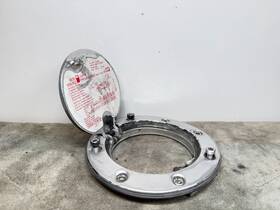
( Manufacturer Part Number: 8N0809905B ), ( Part Type: Lid Cap Door )
Review AUDI Gas Cap Lid Door Oem fits MK1 1998–2006
The **Audi 8N0809905B Gas Cap Lid Door Assembly** for the **1998 2006 Volkswagen Group MK1 platform (Audi A3, SEAT Le n, koda Octavia, and Volkswagen Golf Mk4)** is a precision-engineered component designed to seamlessly integrate with the vehicle s fuel system while maintaining both functionality and aesthetic appeal. Crafted from high-quality, durable materials, this gas cap lid door is engineered to withstand the rigors of daily use, including exposure to varying weather conditions, vibrations, and the occasional impact from debris or rough handling. The assembly features a robust **plastic housing** reinforced with structural ribs and grommets to ensure a secure and weatherproof seal, preventing fuel vapors from escaping while also protecting the internal mechanisms from moisture, dust, and road grime. The lid itself is typically constructed from **polypropylene or ABS plastic**, offering a balance of strength and lightweight performance, and is often finished in a matte or glossy black coating to match the vehicle s exterior trim, though custom colors may be available depending on the application.
Beyond its protective role, this gas cap lid door plays a critical functional part in the vehicle s emissions system. It houses the **fuel filler neck and locking mechanism**, ensuring a tight seal when closed to comply with emissions regulations and prevent fuel evaporation. The design incorporates a **spring-loaded latch** that securely locks the cap in place, while the outer shell is often equipped with a **rubber gasket** or silicone seal to enhance airtightness. For models equipped with **evaporative emission control (EVAP) systems**, the gas cap may also include a **pressure relief valve** or **vapor recovery port**, allowing excess fuel vapors to be safely redirected to the engine s intake system during operation. The assembly s ergonomic shape and textured surface provide a comfortable grip, making it easy for drivers to open and close the cap without tools, while the integrated **fuel filler neck** ensures a snug fit with the vehicle s fuel tank opening.
Compatibility is a key feature of this part, as it is specifically engineered to fit a wide range of **Audi, Volkswagen, SEAT, and koda models** sharing the **MK1 platform**, including the **Audi A3 (8L) B5, SEAT Le n Mk1 (6L), koda Octavia Mk1 (1Z), and Volkswagen Golf Mk4 (1J)**, among others. The part number **8N0809905B** is a direct OEM replacement, meaning it adheres to Audi s exact specifications in terms of dimensions, material quality, and functional performance, ensuring a perfect fit without the need for modifications. Whether replacing a damaged or worn-out original component or upgrading for improved durability, this gas cap lid door assembly offers a reliable, long-lasting solution that maintains the vehicle s integrity and resale value. Its modular design also allows for easy installation, typically requiring only basic tools and a few minutes of work, making it an ideal choice for both professional mechanics and DIY enthusiasts seeking a hassle-free upgrade.
### Pros and Cons of Buying a 1998 2006 Audi A6 (8N, Model Code 8N0809905B) Gas Cap/Lid Door Assembly
#### **Pros:**1. **Common and Widely Available** The 8N Audi A6 (1998 2006) is a popular model, meaning replacement parts, including the gas cap/lid door assembly, are readily available from aftermarket suppliers, dealerships, and online retailers. This reduces the risk of long wait times or difficulty sourcing a part.
2. **Affordable Replacement Options** Due to its age and commonality, the gas cap/lid door assembly is relatively inexpensive compared to newer Audi models. You can often find new or refurbished units for under $100, depending on the source.
3. **Easy to Install** The assembly is typically a straightforward bolt-on replacement, requiring basic tools and minimal mechanical skill. Many owners or even inexperienced DIYers can complete the job without professional help.
4. **Prevents Further Damage** A faulty gas cap/lid door can lead to fuel leaks, moisture ingress, or even electrical issues if the fuel pump or sensors are affected. Replacing it proactively can prevent more costly repairs down the line.
5. **Improves Fuel Efficiency** A worn or improperly sealed gas cap can cause fuel vapors to escape, leading to reduced fuel economy. A new gas cap ensures a proper seal, maintaining optimal performance.
6. **Aesthetic Improvement** If the original gas cap/lid door is damaged or discolored, replacing it can restore the vehicle s appearance, especially if you opt for a high-quality or custom aftermarket part.
---
#### **Cons:**1. **Potential for Counterfeit Parts** Due to the part s affordability, there is a risk of purchasing a low-quality or counterfeit replacement. Cheap aftermarket parts may not fit properly, leak, or fail prematurely. Always buy from reputable suppliers and verify authenticity.
2. **Compatibility Issues** While the part is standard for this model range, slight variations in trim levels or modifications (e.g., aftermarket exhaust systems) could affect fitment. Double-check compatibility before purchasing.
3. **Rust or Corrosion Concerns** Older Audi A6s (especially those from colder climates) may have rusted fuel tanks or surrounding areas. If the gas cap/lid door is part of a larger rusted section, replacing just the assembly may not be sufficient you might need to address the underlying corrosion.
4. **Electrical or Sensor Problems** Some gas cap/lid door assemblies include sensors for fuel level or door position. If the original unit had electrical issues (e.g., faulty wiring or a malfunctioning sensor), the replacement might not resolve the problem unless the wiring harness is also inspected.
5. **Time-Consuming for Some Owners** While the installation is generally simple, if you lack mechanical experience, you may spend extra time researching or troubleshooting issues like misaligned bolts or stubborn seals.
6. **Warranty Limitations** If you purchase a new OEM part from a dealership, it may come with a limited warranty. Aftermarket parts typically have no warranty, so you bear the risk if the part fails shortly after installation.
---
### **Conclusion:**Buying a replacement gas cap/lid door assembly for a 1998 2006 Audi A6 (8N) is a practical and cost-effective solution for most owners. The part is easy to find, install, and replace, offering immediate benefits like improved fuel efficiency, preventing leaks, and enhancing the vehicle s appearance. However, the decision should be made with caution prioritize quality over price to avoid counterfeit or poorly fitted parts, and ensure the surrounding fuel system (e.g., tank, wiring) is in good condition.
If you re comfortable with basic repairs and have access to reliable parts, this is a straightforward and worthwhile upgrade. For those less experienced, consulting a mechanic to confirm the root cause of the issue (e.g., whether the problem is mechanical or electrical) can save time and money.
### **Recommendation:**1. **Source the Part Carefully** Purchase from a trusted supplier (e.g., Audi-specific aftermarket brands like *ABS, Dorman, or local Audi specialty shops*) or a reputable online retailer (e.g., *RockAuto, eBay with verified sellers, or Amazon*). Avoid suspiciously cheap options that may be counterfeit.
2. **Inspect the Fuel System** While replacing the gas cap/lid door, take the opportunity to check for rust, leaks, or damaged wiring in the fuel tank area. Address any underlying issues to prevent future problems.
3. **Follow Installation Instructions** Refer to the Audi workshop manual or a detailed online guide (e.g., *Chilton, Haynes, or YouTube tutorials*) to ensure proper alignment and sealing of the new part.
4. **Test After Installation** After replacing the gas cap/lid door, verify that it seals properly (no fuel odors) and that the fuel gauge or door sensors (if applicable) function correctly.
5. **Consider Professional Help if Needed** If you re unsure about the installation or suspect electrical issues, a mechanic can confirm compatibility and ensure the job is done correctly.
For most owners, this repair is a low-risk, high-reward task that extends the life of the vehicle and maintains its reliability.
Details:
This part was removed from a2001 Audi TT 1.8T 225 Quarto MK1. No major rust or damage. Condition: Rough/OK/Good/Perfect. Specific Details: Virtually no scratches, dents, or dings.
Details: Multiple spots with scratches, color fading, dents, and dings. OK: condition: Moderately used with noticeable wear. Ideal for someone looking a part in near-mint condition. Details: Some scratches, minor dents, and a few dings.
Suitable for parts where aesthetics and perfect functionality are not critical. Rough: condition: Heavily used with significant wear and tear. Details: A few minor scratches and possibly one or two small dings. Still functional but may need some touch-ups or repairs for optimal performance.
Good: condition: Lightly used with minimal wear. The part is in good working condition, with mostly cosmetic issues. May have visible rust or damage affecting performance.
This particular part has: Faded. It has been inspected and is ink Condition. No rust or significant damage. Looks almost new with no functional issues.
Perfect: condition: Excellent condition with little to no visible wear.
part #: 8n0809905b prices
- $26.82-$45.00
specifications fueltanksysteme:
- for models: Mk1
- for makes: Audi
- for years: 1998-2006
- mpn: 8n0809905b
- part type: Lid Cap Door
returns fueltanksysteme:
- policy: Returns Accepted
- time: 30 Days
- paid by: Buyer
shipping fueltanksysteme:
- transit: 4-11 Days
- service: USPS Ground Advantage, UPS 3 Day Select, UPS 2nd Day Air, UPS Next Day Air Saver
- type: Calculated
- carrier: USPS, UPS
- cost: $0.00
- class: Standard, Expedited, One-day
seller fueltanksysteme:
- city: Conifer, Colorado
- rating: 99.9%
- # reviews: 1098
payments fueltanksysteme:
- credit card: Visa
- other
- wallet: Google-pay
general fueltanksysteme:
- Car Truck Parts Accessories > Air Fuel Delivery > Fuel Tanks Filler Necks
- condition: Used
offer fueltanksysteme:
- availability: In Stock
- options: Ship-to-home
- best offers: True
- started: June 12, 2026
- sold: 0
- quantity: 1
Audi 8N0809905B Is Similar To:
- 06k103281a Audi Oem 2017 A3 (20% similar) Through Fri...(October 30th, 2017)
- 11582 Stant Locking Gas Cap Fuel Black Key Audi Honda Acura (30.4% similar) See photos bid early and often. See pics and. This is a open but new on damaged packaging Stan locking gas cap. This is the correct black cap not chrome stock photo that catalog uses. Shipped via USPS flat rate whenever possible. I will combine shipping when possible...(June 3rd, 2018)
- 255892 Audi Tt 2008 Fuel Filler Door 177.au1k08 (34% similar) No expedited shipping is available. Original shipping charges and return shipping charges are not covered...(August 12th, 2016)
- 191201557 Audi Oem 02-09 A4 (20% similar) Superseded part numbers this item may have been from a different number manufacture...(February 16th, 2018)
- 1c0201550q Genuine Audi Fuel Cap For (27% similar) We combine shipping on the same item. If you wish to purchase multiple items please. Or for a quick response. 28 lbs x w H2. If you live outside of the USA please research and verify it fits your vehicle before purchasing...(January 12th, 2019)
- 1k0201550aj Genuine Audi Fuel Cap For (26.7% similar) Or for a quick response. If you live outside of the USA please research and verify it fits your vehicle before purchasing. We combine shipping on the same item. 17 lbs x w H2. If you wish to purchase multiple items please...(January 12th, 2019)
- 23523452352345 Audi Gas Fuel Tank Filler Cap Oem (31.7% similar) There are some signs of wear as can not be seen on the pictures, but tested and in good working condition...(March 29th, 2019)
- 240 54036 001 Wd Express Genuine Audi Premium Prestige Gas Fuel Filler Cap (23.6% similar) Is there an auto part that you're looking for I don't have listed. Free shipping within the contiguous USA lower 48. Outside of the us...(September 13th, 2018)
- 3d0 201 553e Audi Vw Gas Fuel Tank Filler Cap Part Number Brand (29.3% similar) ...(January 10th, 2019)
- 3d0919673m Oem Audi Right Passenger Fuel Tank Level Sending Unit (20.5% similar) Shipping prices for ground apply only to the continental us. Address available upon request. Items may show light scuffs, scratches or other imperfections as a result of this being used part. Any attempt to disassemble the part will void warranty. What you see in the photos is will receive, except ...(February 2nd, 2019)
- 4a0201553 Audi Rare Green Oem (29.3% similar) Audi rare green oem gas fuel filler cap part 4A0201553 excellent condition comes as shown in the photos number - fitment applications: 2L 2002 , 2003 , 2004 S8 2003 s8 7L 1999 , 20 2001 audi S6 1998 , 1999 , s6 2L20 2001 , 2002 audi s4 AVANT 1998 , avaunt 8L 1999 , 20 2001 , 2002 audi ...(January 21st, 2018)
