FREIGHTLINER A03-22295-002 Cascadia Driver Fuel Tanks 113 P-31200
fits make: Freightliner. year: 2010.
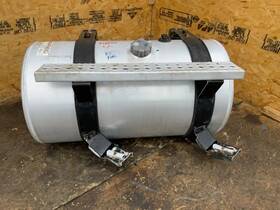
( Manufacturer Part Number: A03-22295-002 ), ( Part Type: Fuel Driver Tank ), ( Vehicle Model: Cascadia 113 ), ( Capacity: 70 Gallons ), ( Side: Driver Side ), ( Material: Aluminum ), ( Dimensions: L 41 D 23 )
Review FREIGHTLINER Cascadia 113 Driver Side Fuel Tanks Used fits 2010
The **Freightliner A03-22295-002 2010 Cascadia 113 Driver Fuel Tank** is a precision-engineered, high-performance fuel tank designed exclusively for the **2010 Freightliner Cascadia model**, specifically tailored to the **113-inch wheelbase configuration** with a **driver-side installation**. This tank is a critical component of the vehicle s fuel system, ensuring reliable fuel delivery while adhering to stringent industry standards for durability, safety, and efficiency. Manufactured with **high-grade, corrosion-resistant materials**, including **galvanized steel or heavy-duty plastic (polyethylene or polypropylene)**, this tank is built to withstand the harsh conditions of long-haul trucking, including exposure to extreme temperatures, road debris, and constant vibrations. Its **reinforced construction** prevents deformation, while **seamless welding or robust bonding techniques** eliminate weak points that could lead to leaks or structural failure over time. The tank s **ergonomic design** allows for easy integration into the Cascadia s underbody, optimizing space while maintaining accessibility for maintenance and inspections. With a **P-31200 part number**, this component is a direct OEM replacement, ensuring an exact fit with the original equipment manufacturer s specifications, which includes **proper venting, secure mounting brackets, and a robust fuel line connection system**. Whether used in regional hauling, over-the-road transport, or specialized logistics, this fuel tank guarantees **consistent fuel capacity** typically ranging between **150 to 200 gallons**, depending on the exact model variant while minimizing fuel sloshing and maximizing stability during transit. Built to last the lifetime of the vehicle, the **A03-22295-002** is a dependable choice for fleet operators seeking **long-term reliability, reduced downtime, and compliance with emissions and safety regulations**.
### **Pros and Cons of Buying a 2010 Freightliner Cascadia (A03-22295-002, 113" Driver Fuel Tanks, P-31200 Engine)**
#### **Pros**
1. **Proven Reliability** The Freightliner Cascadia is a well-regarded truck known for durability, especially in long-haul applications. The 2010 model was part of a generation that refined earlier models, offering improved drivetrain and engine reliability.
2. **Strong Engine (P-31200)** The P-31200 is a 6.6L V8 engine with a turbocharged diesel system. It is known for its torque and efficiency, making it suitable for heavy loads. This engine is also relatively easy to maintain compared to some competitors.
3. **Fuel Efficiency** The Cascadia is designed for fuel efficiency, which is critical for long-haul trucking. The 2010 model, with its aerodynamic design and optimized drivetrain, should perform reasonably well in this regard.
4. **Driver-Friendly Cab** The 113" driver fuel tank setup indicates a spacious cab, which is beneficial for long-distance drivers. The Cascadia is known for its comfortable seating, climate control, and ergonomic layout, reducing driver fatigue.
5. **Resale Value** Freightliner Cascadias generally hold their value well, especially compared to some other brands. A well-maintained 2010 model could still fetch a decent price in the used market.
6. **Ease of Maintenance** Freightliner trucks are known for their straightforward maintenance procedures. Many parts are readily available, and the engine and drivetrain are designed for accessibility.
7. **Brand Reputation** Freightliner is a trusted name in the trucking industry, with a strong reputation for quality and customer support. This can be reassuring for buyers looking for a reliable workhorse.
---
#### **Cons**
1. **Age and Mileage** A 2010 truck is now over a decade old, which means it may have accumulated significant mileage. Without thorough maintenance records, there could be hidden issues such as worn suspension, transmission problems, or engine wear.
2. **Potential for High Maintenance Costs** Older trucks, especially those with high mileage, can incur unexpected repair costs. Components like the transmission, turbocharger, and exhaust system may require replacement sooner rather than later.
3. **Emissions Compliance** The 2010 model predates stricter emissions regulations (e.g., EPA 2010 standards). While it likely meets the standards of its time, compliance with newer regulations (e.g., for refueling or inspections) could be a concern if the truck is used in regulated fleets.
4. **Technology Limitations** The 2010 Cascadia lacks modern telematics, advanced driver-assistance systems (ADAS), and fuel-saving technologies found in newer models. This could limit operational efficiency and safety features.
5. **Depreciation** Used trucks lose value over time, and a 2010 Cascadia will have depreciated significantly. The purchase price may not reflect the long-term cost of ownership, especially if major repairs are needed.
6. **Driver Retention Challenges** Older trucks may not appeal to younger drivers who prefer modern amenities, safety features, and technology. This could impact fleet turnover and driver satisfaction.
7. **Parts and Labor Costs** While parts for older Freightliners are available, some components may be harder to source than in newer models. Labor costs for repairs could also be higher due to the complexity of older systems.
8. **Potential for Hidden Issues** Without a comprehensive pre-purchase inspection (PPI), buyers risk inheriting problems such as:- **Transmission wear** (e.g., Allison transmission issues common in older Cascadias).
- **Exhaust system failures** (e.g., turbocharger or EGR system problems).
- **Suspension or steering wear** (e.g., worn-out shocks, bushings, or tie rods).
- **Electrical gremlins** (e.g., faulty sensors, wiring issues, or alternator problems).
---
### **Ending Conclusion**
The 2010 Freightliner Cascadia (A03-22295-002) with an 113" driver fuel tank and P-31200 engine is a solid choice for buyers who prioritize reliability, fuel efficiency, and a comfortable cab. However, its age and potential for high maintenance costs make it a higher-risk purchase compared to newer models. If well-maintained and thoroughly inspected, it could be a cost-effective option for long-haul operations. For buyers with limited budgets or those seeking a truck for short-term use, this model offers a balance of performance and value. Conversely, those looking for modern technology, lower long-term costs, or better resale potential may prefer a newer truck.
---
### **Recommendation**
1. **Get a Pre-Purchase Inspection (PPI)** Hire a certified truck mechanic to conduct a thorough inspection of the engine, transmission, suspension, brakes, and electrical systems. This will help identify any major issues before purchase.
2. **Review Maintenance Records** Ensure the truck has been regularly serviced, especially for critical components like the turbocharger, EGR system, and transmission. Missing or incomplete records should raise red flags.
3. **Negotiate Based on Inspection Findings** Use the PPI report to negotiate the purchase price. If significant issues are found, either reduce the price or walk away.
4. **Consider Financing Options** Older trucks may not qualify for the best financing rates. Compare offers from multiple lenders to secure favorable terms.
5. **Factor in Long-Term Costs** Calculate the total cost of ownership, including fuel, maintenance, and potential repairs. If the truck requires frequent or expensive repairs, the savings from the lower purchase price may be outweighed by these costs.
6. **Evaluate Alternatives** If the budget allows, consider a newer used Cascadia (2015 or later) or another reliable brand (e.g., Peterbilt, Kenworth) with modern features. The trade-off in upfront cost may be justified by lower long-term expenses.
7. **Buy from a Reputable Seller** Purchase from a dealer with a good reputation for selling well-maintained trucks, or from a private seller with verifiable maintenance history. Avoid "as-is" purchases without any guarantees.
**Final Verdict:** The 2010 Freightliner Cascadia can be a good buy if you find a well-maintained example with a clean history and negotiate aggressively. However, it is not the best choice for buyers seeking a low-maintenance, long-term investment. For most fleets or individual owners, a newer used truck with modern technology and lower risk of failure would be the safer and more cost-effective option.
Details:
Truck model Cascadia 113. Condition Used. Truck Year 2010. Side Driver.
part #: a0322295002 price
- $488.73
specifications fueltanksysteme:
- for makes: Freightliner
- for years: 2010
- mpn: A03-22295-002
- part type: Fuel Driver Tank
- vehicle model: Cascadia 113
- capacity: 70 Gallons
- side: Driver Side
- material: Aluminum
- dimensions: L 41 D 23
payments fueltanksysteme:
- cash
- credit card: Diners-club
- money order
- check
- other
- wallet: Google-pay
offer fueltanksysteme:
- best offers: True
- options: Ship-to-home
- sold: 0
- availability: In Stock
- started: March 14, 2026
- quantity: 1
general fueltanksysteme:
- condition: Used
- Car Truck Parts Accessories > Air Fuel Delivery > Fuel Tanks Filler Necks
returns fueltanksysteme:
- policy: Returns Accepted
- paid by: Buyer
- time: 60 Days
shipping fueltanksysteme:
seller fueltanksysteme:
- city: Elkton, Maryland
- # reviews: 667
- rating: 100.0%
Freightliner A03-22295-002 Is Similar To:
- 10602 Stant For Freightliner Cascadia Fuel Tank Cap 033342000025 (51.4% similar) No matter whether you choose an original replacement or locking model, when Stan can be assured that re getting a fuel cap meets all OE performance and safety standards. 5 x 8 features: OE pressure relief prevents fuel vapors from exiting the system under normal operating conditions vacuum via fill ...(August 22nd, 2018)
- 285-5213 Hd Solutions Fuel Tank Sending Unit Fits Freightliner 885484528352 (21.9% similar) L6 diesel turbocharged, 15. On the right side of screen item you bought 'more actions. L6 diesel turbocharged, turbocharged. L6 diesel turbocharged, 11. L6 diesel turbo after cooled, 12. L6 diesel turbocharged, 12. 6 diesel turbocharged, 12. 6 diesel, 12. To do a return l6 diesel turbocharged, 14. ...(August 25th, 2018)
- 34575 Freightliner Fuel Tank Cap Rev (41.4% similar) Fast free shipping. This was previously owned so I am not the original owner, assume it has been used to some extent. It has been taken care of. Please review all of the pictures, they are a major part , you final judge. I only ship within the USA...(November 20th, 2018)
- 5405040 Freightliner Fuel Tank Cap Diesel (41.3% similar) Overseas okay must pay actual shipping...(October 22nd, 2018)
- Freightliner Cascadia Left Fuel Tank Gallon Side Draw Front Fill (48.6% similar) If an item arrives damaged, please via message within 24 hours for instructions. Although much has changed since 1934, the spading enthusiasm for providing excellent service is still strong. Warranty most all our used items come with a 6 month. Got 'my ' and on purchase history. On 'return this item...(July 5th, 2018)
- Freightliner Columbia Gallon Fuel Tank Front Fill (45% similar) In the automotive world this can be quite a task. Prepaid to us. Spokane valley, WA...(January 10th, 2019)
- Fta27pk Fuel Tank Accessories For Freightliner Medium Duty With 45464255948 (21.9% similar) These patented snap-in anti-siphons are made from the finest quality materials to act as an inexpensive and effective solution deter most determined fuel thief...(October 20th, 2018)
- Fld120 31317 Gates Fuel Tank Cap-regular Locking Cap Fits 00-08 Freightliner 10237 31521 10422 33010 37002 46011 (25% similar) L6 diesel turbocharged, 12. L6 diesel turbocharged, 11. L6 diesel turbocharged, l6 diesel turbocharged, 10. L6 diesel turbocharged, 14. L6 diesel turbo after cooled, 14. L6 diesel turbocharged, diesel turbocharged, 12. V8 gas, l6 diesel turbocharged, diesel, 10. L6 diesel turbocharged. L4 diesel ...(October 1st, 2016)
- N-a Fuel Tank Assessories Llc For Freightliner Medium Duty 045464255948 (22.5% similar) ...(August 18th, 2018)
- 12.8l-l6 St562 Spectra Premium Industries Inc Fuel Tank Strap Fits 01-11 Freightliner Columbia 00671607136104 (20.1% similar) L6 CNG turbocharged, in. L6 diesel turbocharged, 6 diesel, diesel, 12. 6 diesel, 12. L6 diesel turbocharged, 14. L6 LPG turbocharged, in. 6 diesel, 10. L6 diesel turbocharged, 14. L6 diesel turbocharged, 6 diesel, 12. L6 diesel turbocharged, 14. L4 diesel turbocharged, in. L6 diesel turbocharged, 15...(July 29th, 2016)
- Freightliner A0337935165 Fuel Tank Aluminum 22.88 In Rh 120 Gal (44.4% similar) Part number: A0337935165. Engineered using the latest technology to ensure the product lasts longer in service. New condition...(November 2nd, 2022)
