TANKS TM1A Fuel Tank
fits make: Chevrolet. year: 1973–1981.
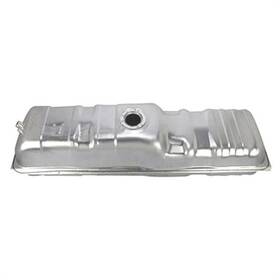
( Brand: Tanks ), ( Manufacturer Part Number: TM1A ), ( Type: Fuel Tanks ), ( Material: Steel ), ( Capacity: 20 Gallons ), ( Item Width: 14.000 ), ( Item Height: 13.000 ), ( Item Length: 59.00 ), ( Finish: Powdercoated ), ( California Prop 65 Warning: True )
Review TANKS Chevrolet Pickup Truck Fuel Tank fits 1973–1981
The **Tanks TM1A (1973 1981 Chevrolet Fuel Tank)** is a meticulously crafted, high-performance replacement fuel tank designed to restore the original integrity and functionality of classic Chevrolet vehicles from the early 1970s. Engineered to exacting specifications, this tank is built to match the precise dimensions, mounting points, and fuel capacity of the original factory components found in models such as the Chevelle, Nova, Camaro, and Impala from 1973 through 1981. Constructed from **high-grade, corrosion-resistant steel**, the TM1A tank is welded with precision to ensure a leak-proof seal, eliminating the risk of fuel leaks or contamination that often plagues aftermarket alternatives. Its smooth, seamless interior minimizes fuel residue buildup, promoting cleaner combustion and extending the life of your vehicle s fuel system. The tank features a **durable, reinforced filler neck** with a secure, gasket-sealed lid to prevent spills and vapor loss, while the integrated **fuel pickup tube** is positioned for optimal fuel flow, reducing the likelihood of siphoning or airlocking. Whether you re restoring a show-quality classic or seeking a reliable upgrade for daily driving, the TM1A tank delivers uncompromising quality, ensuring a perfect fit and seamless performance. Backed by Tanks reputation for precision engineering and customer satisfaction, this fuel tank is an essential component for any Chevrolet enthusiast aiming for authenticity and longevity.
### Pros and Cons of Buying a 1973 1981 Chevrolet Tanks TM1A Fuel Tank
#### **Pros**
1. **Durability and Longevity** The TM1A fuel tank, originally designed for military and commercial use, is constructed from heavy-duty steel, making it resistant to corrosion and physical damage compared to many modern plastic tanks. This can extend the life of the tank if properly maintained.
2. **Compatibility with Classic Vehicles** These tanks are a direct replacement for many older Chevrolet models, including the Tanks series (e.g., C/K trucks, Suburbans, and some GMC vehicles). They fit seamlessly into restorations and modifications without requiring extensive modifications to the fuel system.
3. **Reliability in Off-Road and Heavy-Duty Use** The robust construction of the TM1A tank makes it suitable for off-road applications, where plastic tanks might crack or fail under stress. It also handles vibrations and rough terrain better than some modern alternatives.
4. **Ease of Repair** Steel tanks can be welded or patched if damaged, whereas plastic tanks often require full replacement if compromised. This can be cost-effective in the long run if the tank is well-maintained.
5. **Aesthetic Appeal for Restorations** For classic vehicle enthusiasts, the vintage look of a steel fuel tank aligns with the original build of many older Chevrolets, enhancing authenticity in restorations.
6. **Availability of Parts and Knowledge Base** Since these tanks have been in use for decades, finding replacement parts, welding services, or even secondhand tanks is relatively straightforward. There is also a wealth of historical knowledge about their maintenance.
7. **Lower Risk of Fuel Leaks (If Intact)** Unlike some modern plastic tanks that can develop hairline cracks over time, a well-preserved steel tank is less likely to leak unless it has been severely corroded or punctured.
---
#### **Cons**
1. **Corrosion and Rust** Steel tanks are prone to rust, especially if exposed to moisture, road salt, or improper storage. Rust can weaken the tank over time, leading to leaks or structural failure. Regular inspection and maintenance are critical.
2. **Weight** Steel tanks are significantly heavier than modern plastic or aluminum tanks. This can affect fuel economy, handling, and towing capacity, particularly in larger vehicles. The added weight may also strain suspension components over time.
3. **Susceptibility to Denting and Punctures** While durable, steel tanks can dent or puncture from impacts, such as driving over debris or in accidents. Unlike plastic tanks, they cannot be easily repaired if severely dented or punctured without professional welding.
4. **Higher Maintenance Requirements** Steel tanks require periodic cleaning, rust treatment, and inspection to prevent corrosion. Neglect can lead to costly repairs or replacement. Plastic tanks, by contrast, generally require less upkeep.
5. **Potential for Fuel Contamination** Over time, steel tanks can develop rust particles that may contaminate the fuel system, leading to clogged fuel lines, injector issues, or engine problems. This is less of an issue with newer tanks but is a concern for older units.
6. **Limited Fuel Capacity Compared to Modern Tanks** Some newer fuel tanks are designed to hold more fuel while fitting within similar vehicle dimensions. The TM1A tank s capacity may be slightly lower than what some modern vehicles offer, which could require more frequent refueling.
7. **Environmental Concerns** Steel tanks are not biodegradable, and improper disposal can contribute to environmental pollution. If the tank is damaged or no longer usable, disposal may require special handling compared to plastic tanks.
8. **Cost of Replacement Parts** While the tank itself may be affordable, replacement parts like gaskets, clamps, or welding materials can add up, especially if the tank is heavily corroded or damaged.
---
### **Conclusion**
The **1973 1981 Chevrolet TM1A fuel tank** is a solid choice for those restoring classic Chevrolets or using heavy-duty, off-road vehicles where durability is prioritized. Its steel construction offers reliability and repairability, making it a favorite among enthusiasts who value authenticity and longevity. However, the trade-offs such as weight, corrosion risks, and higher maintenance demands must be carefully considered.
If you plan to use the tank in a vehicle that will see heavy use, frequent inspections for rust and dents are non-negotiable. For modern or lightly used vehicles where weight and low maintenance are priorities, a newer plastic or aluminum tank might be a better fit. That said, for purists or those working on vintage builds, the TM1A remains a time-tested and respected option.
### **Recommendation**
- **Buy the TM1A tank if:**- You are restoring a classic Chevrolet and prioritize authenticity.
- Your vehicle is used for off-roading or heavy-duty applications where durability is critical.
- You are prepared to invest time in maintenance, including rust treatment and inspections.
- You can source a high-quality, corrosion-free unit (preferably from a reputable seller or with a clean history).
- **Avoid or consider alternatives if:**- You want a lighter tank for improved fuel economy or handling.
- Your vehicle is primarily for daily driving where low maintenance is a priority.
- You are concerned about rust and cannot commit to regular upkeep.
- You are working with a modern vehicle where a newer, more efficient tank is available.
For the best results, **inspect the tank thoroughly** before purchasing look for signs of rust, dents, or leaks. If buying used, consider having it professionally cleaned and treated for corrosion. If you plan to weld repairs, ensure you have access to skilled labor to avoid compromising the tank s integrity.
Details:
1973 - 1981 GMC Pickup Truck C/K 15, 25, 35 Series. With a Silver/Gray Finish. Headquarters. Includes Lock Ring and O-ring Gasket.
Tank size is 20 Gallon. Made from die stamped galvanized steel. Part # TM1A Condition New Brand Tanks Sold Each Details 1973 - 1981 Chevrolet Pickup Truck C/K 10, 20, 30 Series. 1-1/4 Filler Neck.
part #: tm1a prices
- $204.99-$559.99
specifications fueltanksysteme:
- for makes: Chevrolet
- for years: 1973-1981
- brand: Tanks
- mpn: Tm1a
- type: Fuel Tanks
- material: Steel
- capacity: 20 Gallons
- item width: 14.000
- item height: 13.000
- item length: 59.00
- finish: Powdercoated
- california prop 65 warning: True
offer fuelTanksysteme:
- options: Ship-to-home
- quantity: 3
- started: March 28, 2026
- sold: 0
- availability: In Stock
general fuelTanksysteme:
- Car Truck Parts Accessories > Air Fuel Delivery > Fuel Tanks Filler Necks
- condition: New
returns fuelTanksysteme:
- time: 30 Days
- paid by: Seller
- policy: Returns Accepted
payments fuelTanksysteme:
- wallet: Google-pay
- other
- credit card: Visa
shipping fuelTanksysteme:
- transit: 3-6 Days
- type: Fixed
- cost: $0.00
- service: UPS Ground
- carrier: UPS
- class: Standard
seller fuelTanksysteme:
- city: Lincoln, Nebraska
- rating: 99.8%
- # reviews: 356791
Tanks TM1A Is Similar To:
- 019903 Titan Fuel Tanks Pump Seal Kit 848135000423 (27.8% similar) The cross-linked molecular weave makes our fuel Tanks stronger, safer, and more durable than most anything on market. The bodies of all titan fuel Tanks are made one remarkable material: high-density cross-linked polyethylene sellotape. Outdoor gear bikes, camping gear, etc. With the pieces in place...(July 7th, 2018)
- 0299004 Titan Tanks Fuel Tank (34.5% similar) Free shipping on most orders in just one day ford diesel crew cab short bed extra heavy duty fuel tank custom shield molded from. Now, more than ever, being 400 miles away from the nearest fuel station is no worry. Thomas loved the sport but had a hard time getting hold of replacement parts when he ...(April 30th, 2017)
- 0299005 Titan Tanks Fuel Tank (34.5% similar) Using ups ground. Driven by that mission statement, 4 wheel parts grew from a one-man operation to become the largest distributor of off-road and accessories in USA. 250 inch tough black hemp formed to fit the bottom of TTN7010211 fuel tank only a titan extra large capacity may more than double ...(April 4th, 2017)
- 0299006 Titan Tanks Fuel Tank Shield (31.9% similar) Now, more than ever, being 400 miles away from the nearest fuel station is no worry. Most orders ship free in 1 day. 250 inch tough black hemp formed to fit the bottom of TTN7020311 fuel tank only a titan extra large capacity may more than double range original equipment. Driven by that mission ...(March 7th, 2017)
- 0299008 Titan Tanks Fuel Tank Shield (31.9% similar) 250 inch tough black hemp formed to fit the bottom of TTN701311 TTN701411 TTN7010313 fuel Tanks only a titan extra large capacity tank may more than double range original equipment. Driven by that mission statement, 4 wheel parts grew from a one-man operation to become the largest distributor of off...(March 7th, 2017)
- 0299011 Titan Tanks Fuel Tank Shield (31.9% similar) Kennedy has passed, but his spirit is alive the 4WD online store, catalog and on store. Buddies got Thomas into off-Reading. Titan Tanks fuel tank shield part number: TTN0299011 dodge ram 2500 and 3500 quad cab long bed extra heavy duty custom molded from. Free shipping on most orders in just one ...(April 23rd, 2018)
- 114237 Ferrari Additional Fuel Tank Between Main Tanks (32.1% similar) Condition: please see photos. Fitted between the main fuel Tanks in 400I model's. I don't believe these were used on carburetors or 412 cars. This unit appears to have been refurbished. Unit looks refurbished, but might need to be cleaned out before installation...(July 2nd, 2018)
- 16-3538-0 Empi Gas Tank Cap For Spun Aluminum Tanks 707924350678 (14.8% similar) ...(June 6th, 2018)
- 32z-s Part Tanks Fuel Tank Gallons Steel Galvanized Ford 691852323753 (23.6% similar) Buyer pays return shipping. Fuel tank length in 39. Not fuel pump included no sump welded on tank capacity 11 gallons finish galvanized height in. Lock ring kit included no mounting hardware outlet quantity one sold individually. Baffled sump yes fitting attachment 1 female threads size in. ...(July 4th, 2018)
- 40-9002-a Bob Drake Reproductions Ford Car Steel Fuel Tanks (30.8% similar) Specs material type steel sold in quantity each mfg overall width 15. Any visual damage must be noted on the shipping document before signing for delivery. 5 capacity 11 overall height 8 length 43 fuel tank custom replacement reviews nice. As good it gets. Pros: fast shipping perfect fit and ...(June 19th, 2018)
- 40-cg Part Tanks Fuel Tank Steel Galvanized Gallon Chevy 691852324149 (23.6% similar) Baffled sump no fitting attachment 1 female threads size in. Lock ring kit included no mounting hardware notes will not fit business coupe. Fitment information may not be available for all products and those without will have a compatibility link. Image to purchase these items below and complete ...(April 30th, 2018)
